MEDICAL SURGICAL NURSING PRACTICE QUESTIONS
00:00
The nurse is caring for a patient with an arterial monitoring system. The nurse assesses the patient's noninvasive cuff blood pressure to be 70/40 mm Hg. The arterial blood pressure measurement via an intra-arterial catheter in the same arm is assessed by the nurse to be 108/70 mm Hg. What is the best action by the nurse?
A.
Frequent oropharyngeal suctioning
B. Side to side position changes
C. Range-of-motion to extremities
D. Frequent neurological assessments
Rationale
The nurse should perform frequent neurological assessments when a significant discrepancy exists between noninvasive cuff and invasive arterial blood pressure measurements.
A discrepancy between cuff and arterial line readings requires immediate clinical correlation to ensure patient safety. While the arterial line is generally more accurate, the nurse must assess the patient's overall neurological status—level of consciousness, pupil response, motor function—to determine if the lower cuff reading reflects true hypotension or a technical issue with the arterial line (e.g., damping, catheter position, transducer leveling). Frequent neurological assessments provide critical data about cerebral perfusion and help guide whether interventions like fluid resuscitation, vasopressors, or arterial line troubleshooting are needed. This approach prioritizes patient assessment over isolated numbers.
A. Frequent oropharyngeal suctioning
This intervention addresses airway clearance but is unrelated to blood pressure discrepancy. Suctioning without indication can cause hypoxia, vagal stimulation, or increased intracranial pressure, potentially worsening the patient's status.
B. Side to side position changes
Repositioning supports skin integrity and pulmonary hygiene but does not address the hemodynamic uncertainty presented. It is a routine care measure, not a priority response to conflicting vital signs.
C. Range-of-motion to extremities
ROM exercises prevent contractures and promote circulation but are not urgent when vital sign accuracy is in question. This is a maintenance intervention, not an assessment-focused action.
D. Frequent neurological assessments
This is the priority because neurological status is the most sensitive indicator of adequate cerebral perfusion. Changes in mental status, pupillary response, or motor function would signal true hypotension requiring immediate intervention, while stable neuro status supports investigating technical causes of the discrepancy.
Conclusion: When faced with conflicting hemodynamic data, nurses must anchor decisions in comprehensive patient assessment rather than isolated numbers. Neurological assessment provides real-time feedback on end-organ perfusion and guides safe, targeted interventions. This scenario reinforces the critical thinking skill of correlating technology with clinical findings—a cornerstone of high-acuity nursing practice. Always verify equipment function while simultaneously evaluating the patient's physiological response.

After receiving the handoff report from the day shift charge nurse, which patient should the evening charge nurse assess first?
A.
Patient with meningitis complaining of photophobia
B. A patient with bacterial meningitis on droplet precautions
C. Mechanically ventilated patient with a GCS of 6
D. A patient with an intracranial pressure ICP of 20 mm Hg and an oral temperature of 104°F
Rationale
The evening charge nurse should assess first the patient with an intracranial pressure of 20 mm Hg and an oral temperature of 104°F.
This patient presents with two critical, interrelated neurological emergencies: elevated intracranial pressure (normal ICP is 5-15 mm Hg; 20 mm Hg indicates intracranial hypertension) and high fever (104°F/40°C). Fever dramatically increases cerebral metabolic demand and cerebral blood flow, which can further elevate ICP and risk herniation. This combination requires immediate intervention to reduce ICP (e.g., head elevation, osmotic diuretics, sedation) and aggressively manage fever (antipyretics, cooling measures) to prevent irreversible brain injury or death. Priority assessment follows the ABCs and neurological urgency, making this patient the most unstable.
A. Patient with meningitis complaining of photophobia
Photophobia is an expected, uncomfortable symptom of meningitis but is not immediately life-threatening. This patient requires comfort measures and monitoring but is stable compared to others.
B. A patient with bacterial meningitis on droplet precautions
While isolation precautions are essential for infection control, the mere presence of precautions does not indicate acute instability. This patient's priority depends on their specific neurological and hemodynamic status, which isn't described as critical here.
C. Mechanically ventilated patient with a GCS of 6
A GCS of 6 indicates severe brain injury, and mechanical ventilation supports airway and breathing. However, if ventilator settings are appropriate and the patient is stable on current support, this is a controlled critical situation. The patient in option d has active, worsening parameters requiring immediate intervention.
D. A patient with an intracranial pressure ICP of 20 mm Hg and an oral temperature of 104°F
This represents an acute neurological crisis where fever exacerbates intracranial hypertension, creating a vicious cycle that can rapidly lead to brainstem herniation. Immediate assessment and intervention are time-sensitive to prevent catastrophic outcomes.
Conclusion: Effective nursing prioritization hinges on recognizing subtle and overt signs of deterioration, especially in neurological patients. The synergy of elevated ICP and hyperthermia creates a high-risk scenario demanding swift action. Charge nurses must triage based on potential for rapid decline, ensuring resources are directed to patients where timely intervention can alter the trajectory of care. This scenario underscores the importance of continuous neurological assessment and proactive fever management in neurocritical care.

The nurse is caring for a patient who was hit on the head with a hammer. The patient was unconscious at the scene briefly but is now conscious upon arrival at the emergency department with a GCS score of 15. One hour later, the nurse assesses a GCS score of 3. What is the priority nursing action?
A.
Stimulate the patient hourly.
B. Notify the provider immediately.
C. Elevate the head of the bed.
D. Continue to monitor the patient.
Rationale
The priority nursing action is to notify the provider immediately.
A decline in Glasgow Coma Scale (GCS) score from 15 (fully conscious) to 3 (deep coma) within one hour indicates acute neurological deterioration, likely from expanding intracranial hemorrhage, cerebral edema, or herniation. This is a neurosurgical emergency requiring immediate provider notification for rapid intervention (e.g., CT scan, osmotic therapy, surgical evacuation). While preparing to notify, the nurse should simultaneously ensure airway patency, administer oxygen, and prepare for possible intubation, but activating the rapid response/provider team is the single most time-critical action to prevent irreversible brain injury or death.
A. Stimulate the patient hourly
Stimulation is inappropriate for a comatose patient and wastes precious minutes. Hourly checks are for stable patients; this patient requires continuous monitoring and immediate escalation, not scheduled assessments.
B. Notify the provider immediately
This is the priority. Rapid communication triggers the chain of survival for neurological emergencies. The nurse should use SBAR to concisely report the GCS change, vital signs, and interventions initiated while awaiting further orders.
C. Elevate the head of the bed
While head elevation (30-45 degrees) is generally recommended for increased ICP, it is a supportive measure, not the priority action when a patient is actively deteriorating. Notification must occur first to mobilize the full treatment team.
D. Continue to monitor the patient
Passive monitoring is dangerous when a patient shows acute decline. "Watchful waiting" delays life-saving interventions. Monitoring continues, but it must be coupled with immediate escalation of care.
Conclusion: Neurological assessment is dynamic, and changes in GCS are red flags requiring urgent action. Nurses must recognize that a dropping GCS is not just a number change but a signal of potential brain herniation. Immediate provider notification, coupled with simultaneous airway management and preparation for interventions, embodies the critical thinking and rapid response skills essential in neurotrauma care. This scenario reinforces that in neurological emergencies, minutes matter.

A patient presents to the emergency department with suspected thyroid storm. The nurse should be alert to which of the following cardiac rhythms while providing care to this patient?
A.
Idioventricular rhythm
B. Sinus bradycardia
C. Junctional rhythm
D. Atrial fibrillation
Rationale
The nurse should be alert to atrial fibrillation while providing care to a patient with suspected thyroid storm.
Thyroid storm is a life-threatening exacerbation of hyperthyroidism characterized by excessive catecholamine sensitivity and hypermetabolism. Atrial fibrillation is a common and dangerous cardiac manifestation due to thyroid hormone's direct effects on cardiac myocytes and increased sympathetic tone. This arrhythmia can lead to rapid ventricular response, decreased cardiac output, and thromboembolic events. Continuous cardiac monitoring is essential, and treatment includes beta-blockers (e.g., propranolol) to control rate, antithyroid medications (e.g., methimazole), iodine solutions, and corticosteroids.
A. Idioventricular rhythm
This slow, wide-complex rhythm typically arises from ventricular escape pacemakers in severe bradycardia or heart block. It is not associated with thyroid storm, which causes tachyarrhythmias due to hyperadrenergic state.
B. Sinus bradycardia
Bradycardia is characteristic of hypothyroidism or myxedema coma, not hyperthyroidism. Thyroid storm causes tachycardia, not bradycardia; sinus bradycardia would be unexpected and suggest an alternative diagnosis.
C. Junctional rhythm
Junctional rhythms originate from the AV node and are often associated with digoxin toxicity, inferior MI, or increased vagal tone. They are not typical in thyroid storm, which favors supraventricular tachyarrhythmias like atrial fibrillation.
D. Atrial fibrillation
This is correct. Up to 10-15% of hyperthyroid patients develop atrial fibrillation, and the risk increases dramatically in thyroid storm. The nurse must monitor for irregularly irregular rhythm, assess for signs of poor perfusion, and prepare for rate control and anticoagulation as ordered.
Conclusion: Thyroid storm is a medical emergency where cardiovascular complications like atrial fibrillation significantly increase mortality. Nurses must maintain high vigilance for arrhythmias, hemodynamic instability, and hyperthermia while administering targeted therapies. Understanding the pathophysiology—exaggerated catecholamine response—guides anticipatory care, including beta-blocker administration, cooling measures, and meticulous intake/output monitoring. This scenario highlights the critical link between endocrine dysfunction and cardiac stability.

A patient presents to the emergency department with the following clinical signs: Pulse: 132 beats/min, Blood pressure: 88/50 mm Hg, Respiratory rate: 32 breaths/min, Blood sugar of 60, fatigue, dizziness and darkening of skin. These signs are consistent with which disorder?
A.
Syndrome of inappropriate secretion of antidiuretic hormone (SIADH)
B. Thyroid Storm
C. Myxedema coma
D. Adrenal Crisis
Rationale
These signs are consistent with adrenal crisis.
Adrenal crisis (acute adrenal insufficiency) presents with hypotension, tachycardia, hypoglycemia, fatigue, and hyperpigmentation (darkening of skin) due to elevated ACTH stimulating melanocytes. The hypotension is refractory to fluids alone and requires stress-dose glucocorticoids (e.g., hydrocortisone). Hypoglycemia occurs from cortisol deficiency impairing gluconeogenesis. This is a medical emergency; without prompt steroid replacement, patients can progress to shock and death. The constellation of hypotension, hypoglycemia, and hyperpigmentation is classic for primary adrenal insufficiency (Addison's disease) in crisis.
A. Syndrome of inappropriate secretion of antidiuretic hormone (SIADH)
SIADH causes hyponatremia, euvolemia, and concentrated urine—not hypotension, hypoglycemia, or skin darkening. Neurological symptoms from hyponatremia (confusion, seizures) may occur, but the presentation here does not match.
B. Thyroid Storm
Thyroid storm features hyperthermia, severe tachycardia, hypertension (early), agitation, and hyperglycemia—not hypotension, hypoglycemia, or skin darkening. While tachycardia is present, the other signs contradict this diagnosis.
C. Myxedema coma
Myxedema coma presents with hypothermia, bradycardia, hypoventilation, and hyponatremia—not tachycardia, hypotension with hypoglycemia, or hyperpigmentation. The metabolic profile is opposite to the case presented.
D. Adrenal Crisis
This is correct. The triad of hypotension unresponsive to fluids, hypoglycemia, and hyperpigmentation strongly suggests adrenal insufficiency. Fatigue and dizziness reflect cerebral hypoperfusion and low glucose. Immediate hydrocortisone and fluid resuscitation are lifesaving.
Conclusion: Adrenal crisis is a "can't miss" diagnosis in patients with unexplained shock, hypoglycemia, or hyperpigmentation. Nurses must recognize that hypotension refractory to fluids should prompt consideration of adrenal insufficiency, especially in patients with known autoimmune conditions or recent steroid withdrawal. Rapid administration of stress-dose steroids, continuous hemodynamic monitoring, and patient education about sick-day rules are critical nursing interventions that prevent mortality in this high-risk population.

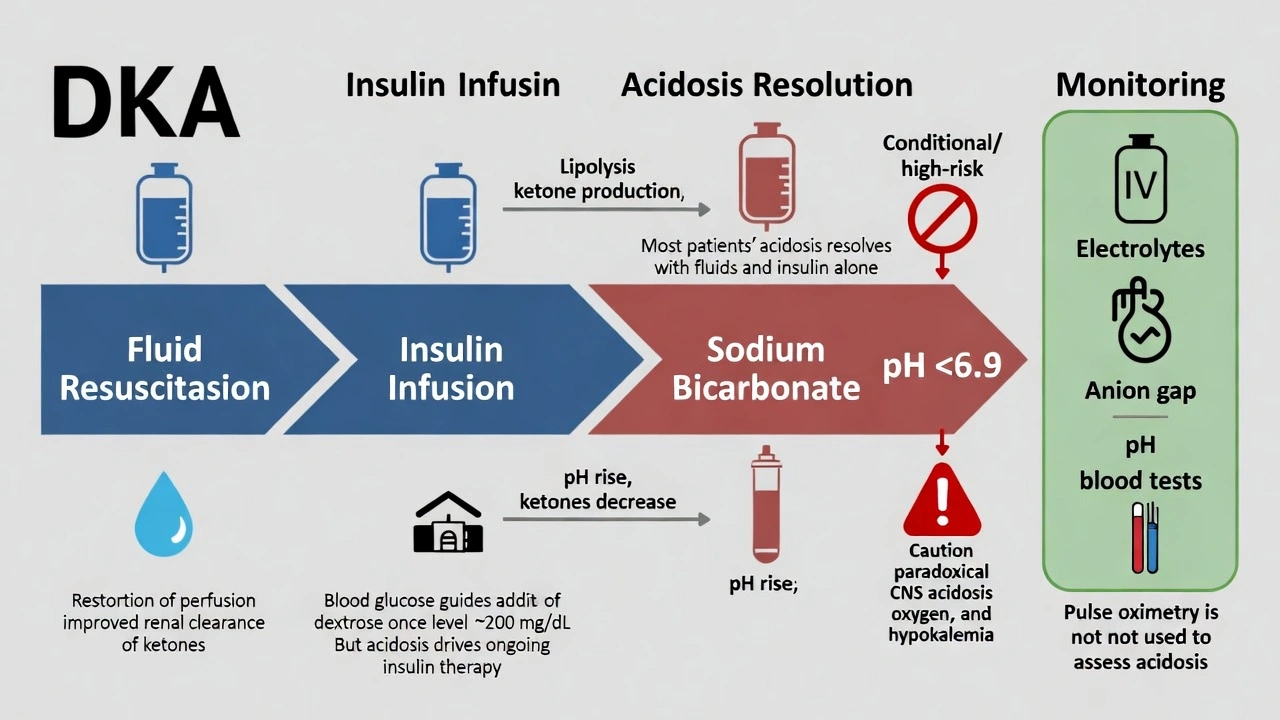
Which of the following statements is true about the medical management of diabetic ketoacidosis? Select all that apply
A.
Sodium bicarbonate is used to correct severe acidosis.
B. Blood glucose levels are used to guide insulin administration.
C. The degree of acidosis is assessed through continuous pulse oximetry.
D. Volume replacement and insulin infusion often correct the acidosis.
Rationale
Volume replacement and insulin infusion often correct the acidosis in diabetic ketoacidosis management.
In DKA, metabolic acidosis results from ketone accumulation. The primary treatment is fluid resuscitation to restore perfusion and insulin infusion to suppress ketogenesis. As insulin stops lipolysis and fluids improve renal clearance of ketones, the acidosis typically resolves without bicarbonate. Bicarbonate is reserved for severe acidosis (pH <6.9) due to risks of paradoxical CNS acidosis, hypokalemia, and delayed ketone clearance. Thus, volume and insulin are first-line and often sufficient, making this statement accurate.
A. Sodium bicarbonate is used to correct severe acidosis
This is conditionally true but not routinely recommended. Guidelines restrict bicarbonate to pH <6.9 due to potential harms. Since the question asks for statements that are "true" about standard management, and bicarbonate is not first-line, this is less accurate than option d.
B. Blood glucose levels are used to guide insulin administration
While glucose is monitored, insulin infusion in DKA is titrated to resolve ketosis and acidosis, not just glucose. Once glucose reaches ~200 mg/dL, dextrose is added to fluids to continue insulin until anion gap closes. Thus, glucose alone does not guide insulin; acidosis resolution does.
C. The degree of acidosis is assessed through continuous pulse oximetry
Pulse oximetry measures oxygen saturation, not acid-base status. Acidosis is assessed via arterial blood gas (pH, bicarbonate) and serum anion gap. This statement is factually incorrect.
D. Volume replacement and insulin infusion often correct the acidosis
This is correct and reflects current evidence-based guidelines. Fluids restore renal perfusion for ketone excretion; insulin halts ketone production. Most patients' acidosis resolves with these measures alone, avoiding bicarbonate risks.
Conclusion: DKA management prioritizes physiology over numbers: fluids and insulin address the root causes of acidosis. Nurses must monitor not just glucose but also electrolytes, anion gap, and mental status to evaluate treatment efficacy. Understanding why bicarbonate is rarely needed prevents well-intentioned but harmful interventions. This knowledge empowers nurses to advocate for guideline-concordant care and educate patients on DKA prevention.
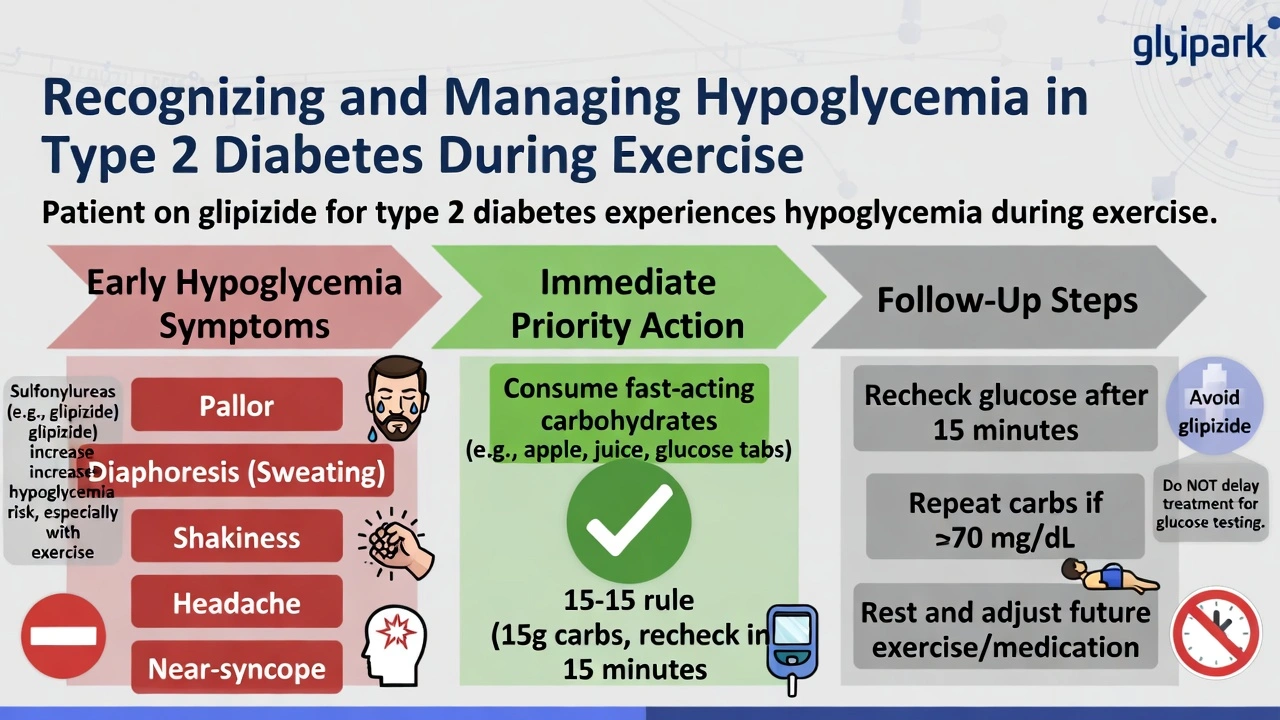
An individual with type 2 diabetes who takes glipizide has begun a formal exercise program at a local gym. While exercising on the treadmill, the individual becomes pale, diaphoretic, shaky, and has a headache. The individual feels as though she is going to pass out. What is the individual's priority action?
A.
Drink additional water to prevent dehydration
B. Eat an apple
C. Take another dose of the glipizide
D. Go to the first-aid station to have glucose checked
Rationale
The individual's priority action is to eat an apple.
The symptoms—pallor, diaphoresis, shakiness, headache, near-syncope—are classic for hypoglycemia, a risk with sulfonylureas like glipizide, especially with new exercise. The priority is rapid carbohydrate ingestion to raise blood glucose. An apple provides ~15-20g fast-acting carbs, aligning with the "15-15 rule" (15g carbs, recheck in 15 minutes). This immediate action prevents progression to confusion, seizures, or loss of consciousness. While checking glucose is ideal, treating symptoms promptly is critical if testing is delayed; never withhold carbs for symptomatic hypoglycemia.
A. Drink additional water to prevent dehydration
Hydration is important during exercise but does not address hypoglycemia. Water has no carbohydrates and will not raise blood glucose, potentially delaying life-saving treatment.
B. Eat an apple
This is correct. An apple provides fast-acting carbohydrates to reverse hypoglycemia quickly. It is portable, accessible in a gym setting, and aligns with standard hypoglycemia management protocols for conscious patients.
C. Take another dose of the glipizide
This is dangerous. Glipizide stimulates insulin release; taking more during hypoglycemia would worsen low blood sugar, potentially causing severe neuroglycopenia. Sulfonylureas should never be dosed for hypoglycemia.
D. Go to the first-aid station to have glucose checked
While confirming hypoglycemia with a glucose check is ideal, delaying treatment to walk to a station risks deterioration. If symptoms are classic and the patient is conscious, treat first, then check. If unable to swallow or confused, call for emergency help immediately.
Conclusion: Hypoglycemia management prioritizes rapid carbohydrate administration for conscious patients. Nurses educate patients on recognizing early symptoms, carrying fast-acting carbs, and following the 15-15 rule. This scenario underscores the importance of individualized exercise planning for patients on insulin secretagogues, including pre-exercise glucose checks, carb snacks, and medication timing adjustments. Empowering patients with actionable steps prevents emergencies and supports safe, active lifestyles.
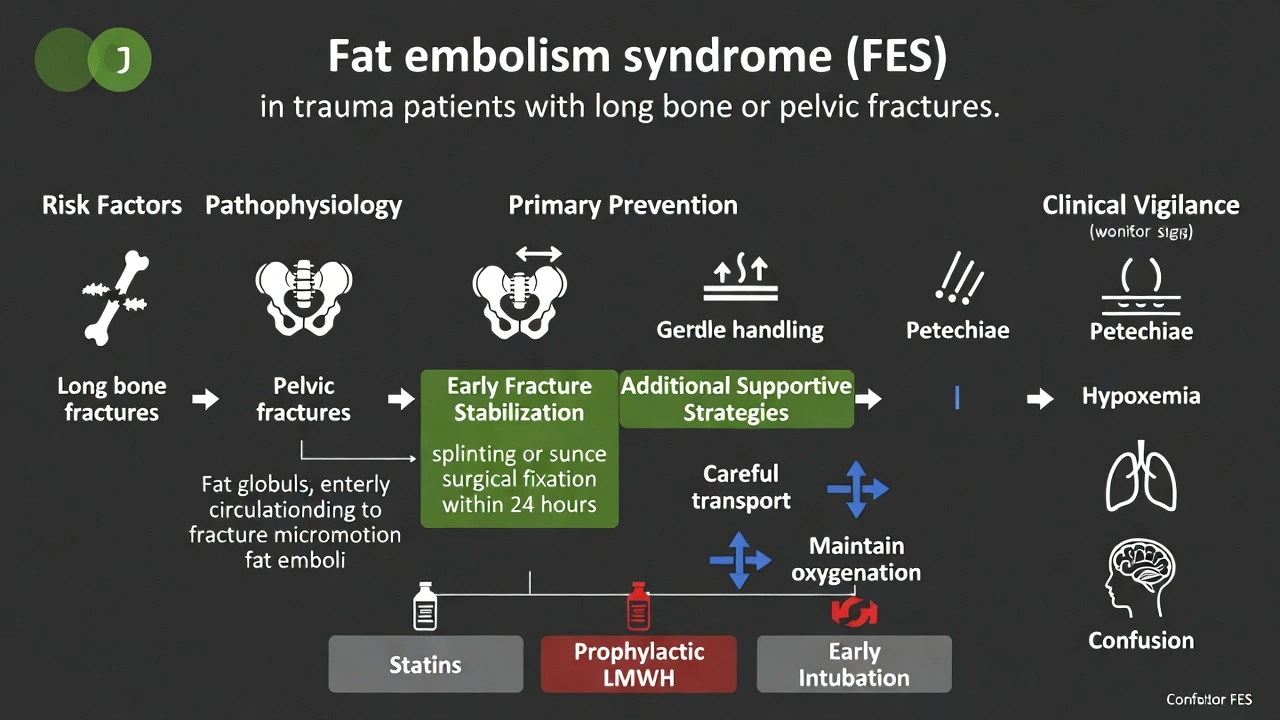
Which of the following interventions is a strategy to prevent fat embolism syndrome?
A.
Administer lipid-lowering statin medications.
B. Intubate the patient early after the injury to provide mechanical ventilation.
C. Provide prophylaxis with low-molecular weight heparin.
D. Stabilize extremity fractures early.
Rationale
Stabilizing extremity fractures early is a key strategy to prevent fat embolism syndrome.
Fat embolism syndrome (FES) occurs when fat globules from bone marrow enter the circulation, typically after long bone or pelvic fractures. Early fracture stabilization—within 24 hours when possible—reduces movement at the fracture site, minimizing further fat release into venous channels. This mechanical intervention addresses the root cause of FES. Additional preventive measures include gentle handling during transport, avoiding excessive manipulation, and maintaining adequate oxygenation. Early orthopedic consultation and surgical fixation are standard of care for high-risk fractures.
A. Administer lipid-lowering statin medications
Statins lower serum cholesterol but do not prevent fat emboli from bone marrow. FES involves mechanical release of marrow fat, not circulating lipids, making statins irrelevant to prevention.
B. Intubate the patient early after the injury to provide mechanical ventilation
While respiratory support may be needed if FES develops, prophylactic intubation does not prevent fat embolization. Intubation carries risks and is reserved for respiratory failure, not prevention.
C. Provide prophylaxis with low-molecular weight heparin
LMWH prevents venous thromboembolism but does not affect fat globule release or embolization. FES pathophysiology differs from thrombotic events, so anticoagulation is not preventive.
D. Stabilize extremity fractures early
This is correct. Early immobilization or surgical fixation reduces micromotion at the fracture site, limiting fat entry into circulation. Evidence supports early stabilization as the most effective preventive strategy for FES.
Conclusion: Fat embolism syndrome prevention hinges on minimizing mechanical disruption of fractured bones. Nurses advocate for timely orthopedic intervention, handle patients with extremity fractures using log-rolling and splinting techniques, and monitor for early FES signs (petechiae, hypoxemia, confusion). This proactive, pathophysiology-based approach reduces morbidity in trauma patients and underscores nursing's role in interdisciplinary trauma care.
Which of the following statements about mass casualty triage during a disaster is true?
A.
Disaster victims with the greatest chances for survival receive priority for treatment.
B. Once interventions have been initiated, health care providers cannot stop the treatment of disaster victims.
C. Color-coded systems in which green indicates the patient of greatest need are used during disasters.
D. Priority treatments and interventions focus primarily on young victims.
Rationale
Disaster victims with the greatest chances for survival receive priority for treatment during mass casualty triage.
Mass casualty incident (MCI) triage follows utilitarian principles: maximize lives saved with limited resources. Systems like START (Simple Triage and Rapid Treatment) categorize patients as Immediate (red), Delayed (yellow), Minimal (green), or Expectant (black). Those with life-threatening but treatable injuries (red) receive priority over those with minor injuries or nonsurvivable conditions. This approach, though ethically challenging, optimizes population outcomes when resources are overwhelmed.
A. Disaster victims with the greatest chances for survival receive priority for treatment
This is correct. MCI triage prioritizes patients who will benefit most from immediate intervention—those with treatable critical injuries. This differs from everyday emergency care, where the sickest receive priority regardless of prognosis.
B. Once interventions have been initiated, health care providers cannot stop the treatment of disaster victims
This is false. In resource-limited disasters, triage is dynamic. Patients initially categorized as Immediate may be reclassified to Expectant if resources become insufficient or if their condition deteriorates beyond salvageability.
C. Color-coded systems in which green indicates the patient of greatest need are used during disasters
This is incorrect. Green indicates "walking wounded" with minimal injuries who can wait for care. Red indicates greatest immediate need. Confusing color codes could dangerously misallocate resources.
D. Priority treatments and interventions focus primarily on young victims
This is false. MCI triage is based on injury severity and survivability, not age. While pediatric considerations exist, ethical guidelines prohibit age-based discrimination in resource allocation.
Conclusion: Mass casualty triage requires nurses to shift from individual-patient advocacy to population-based decision-making. Understanding START criteria and the ethical framework of utilitarian triage prepares nurses for disaster response. This challenging but necessary approach ensures that limited resources save the most lives, reflecting nursing's commitment to justice and stewardship in crisis.

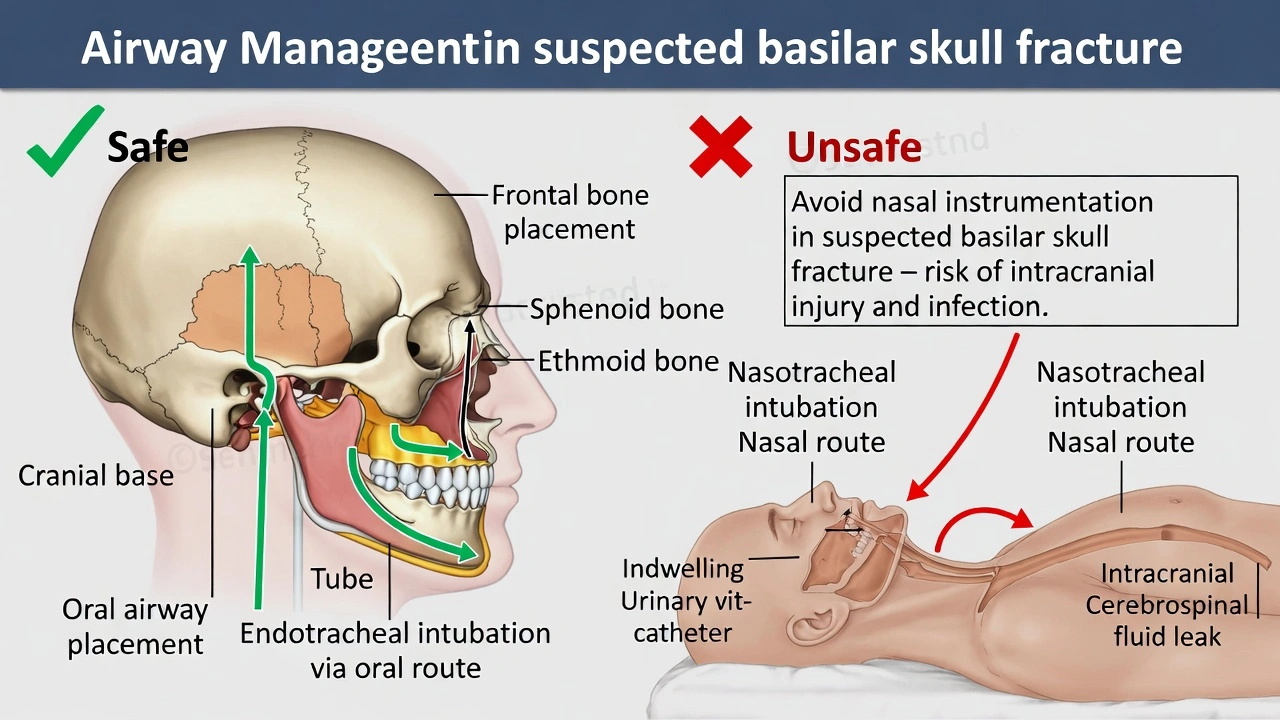
Which of the following interventions would not be appropriate for a patient who is admitted with a suspected basilar skull fracture?
A.
Placement of an oral airway
B. Insertion of a nasotracheal tube
C. Insertion of an indwelling urinary catheter
D. Endotracheal intubation
Rationale
Insertion of a nasotracheal tube would not be appropriate for a patient with a suspected basilar skull fracture.
Basilar skull fracture involves disruption of the cranial base, potentially creating communication between the nasal passages and intracranial space. Nasotracheal intubation risks advancing the tube through a fracture defect into the cranial vault, causing direct brain injury, meningitis, or CSF leak exacerbation. Current guidelines contraindicate nasal instrumentation (including nasogastric tubes, nasal airways, or nasotracheal intubation) in suspected basilar skull fracture. Oral or surgical airway approaches are preferred when airway management is required.
A. Placement of an oral airway
Oral airways are appropriate if the patient lacks gag reflex and requires airway support. They avoid nasal passages entirely, eliminating risk of intracranial placement.
B. Insertion of a nasotracheal tube
This is contraindicated. The tube could traverse a skull base fracture, causing catastrophic neurological injury or introducing infection into the central nervous system.
C. Insertion of an indwelling urinary catheter
Urinary catheterization is unrelated to skull base integrity and is appropriate for monitoring output in critically injured patients. No contraindication exists.
D. Endotracheal intubation
Oral endotracheal intubation is the preferred advanced airway method in basilar skull fracture. It secures the airway while avoiding nasal routes, aligning with trauma airway guidelines.
Conclusion: Basilar skull fracture requires meticulous avoidance of nasal instrumentation to prevent iatrogenic neurological injury. Nurses must recognize contraindications and advocate for safe airway alternatives. This knowledge prevents well-intentioned but dangerous interventions, highlighting the critical role of pathophysiology understanding in trauma nursing practice.
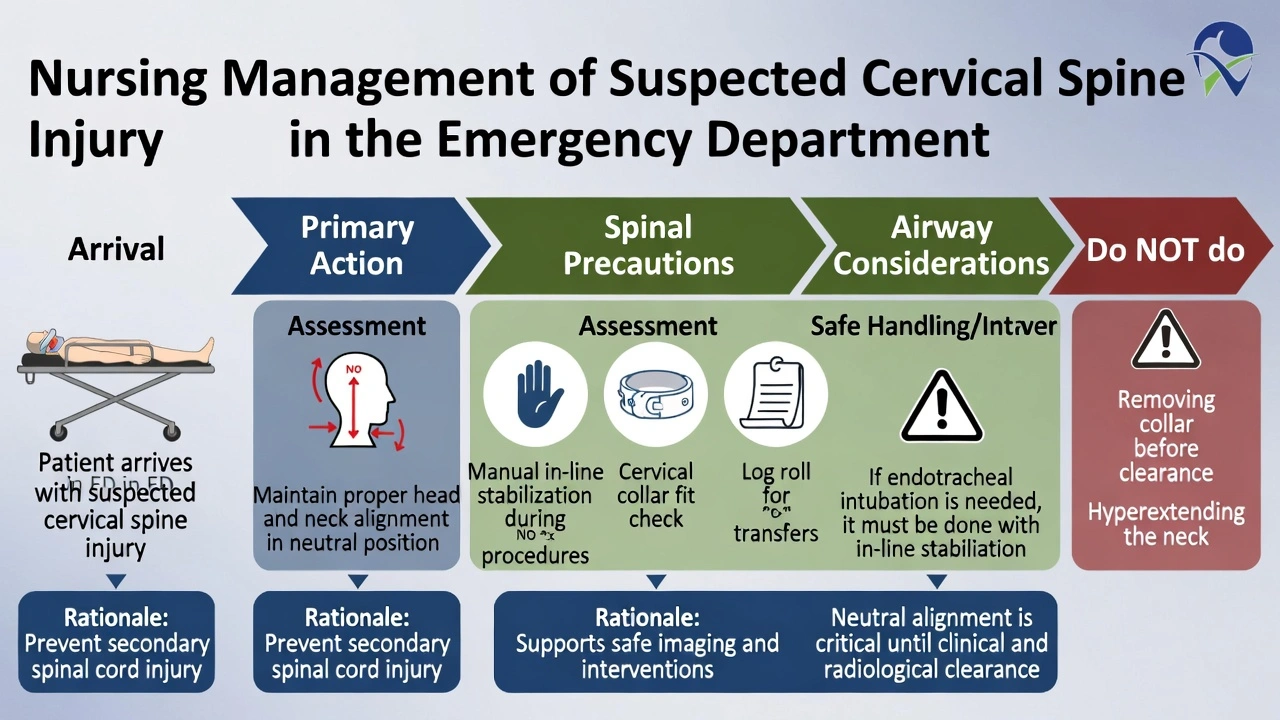
The nurse admits a patient to the emergency department (ED) with a suspected cervical spine injury. What is the priority nursing action?
A.
Remove cervical collar upon arrival to the ED.
B. Prepare for immediate endotracheal intubation.
C. Keep the neck in the hyperextended position.
D. Maintain proper head and neck alignment.
Rationale
The priority nursing action is to maintain proper head and neck alignment in a patient with suspected cervical spine injury.
Cervical spine immobilization prevents secondary spinal cord injury from movement of unstable fractures or ligamentous disruptions. Maintaining neutral alignment—avoiding flexion, extension, or rotation—minimizes mechanical stress on the spinal cord while imaging clears the spine. This intervention aligns with Advanced Trauma Life Support (ATLS) protocols and should continue until clinical and radiological clearance. Proper alignment also supports airway management by facilitating safe jaw-thrust maneuvers if needed.
A. Remove cervical collar upon arrival to the ED
Removing immobilization before clearance risks catastrophic spinal cord injury. Collars remain until a physician clears the spine via clinical criteria (NEXUS or Canadian C-Spine Rule) and/or imaging.
B. Prepare for immediate endotracheal intubation
While airway management is critical, intubation is not routinely required for cervical spine injury alone. If intubation is needed, it should be performed with in-line stabilization, not as a default action.
C. Keep the neck in the hyperextended position
Hyperextension can worsen spinal cord compression in unstable injuries. Neutral alignment—not extension—is the standard to minimize neurological risk.
D. Maintain proper head and neck alignment
This is correct. Neutral alignment protects the spinal cord during assessment, imaging, and interventions. Nurses use manual in-line stabilization during procedures and ensure collars fit properly without compromising airway or circulation.
Conclusion: Cervical spine precautions are non-negotiable in trauma nursing until injury is definitively excluded. Maintaining neutral alignment is a simple yet critical intervention that prevents iatrogenic paralysis. Nurses serve as guardians of spinal protection, advocating for careful handling and clear communication during handoffs and procedures. This vigilance embodies the trauma nursing principle: "First, do no harm."
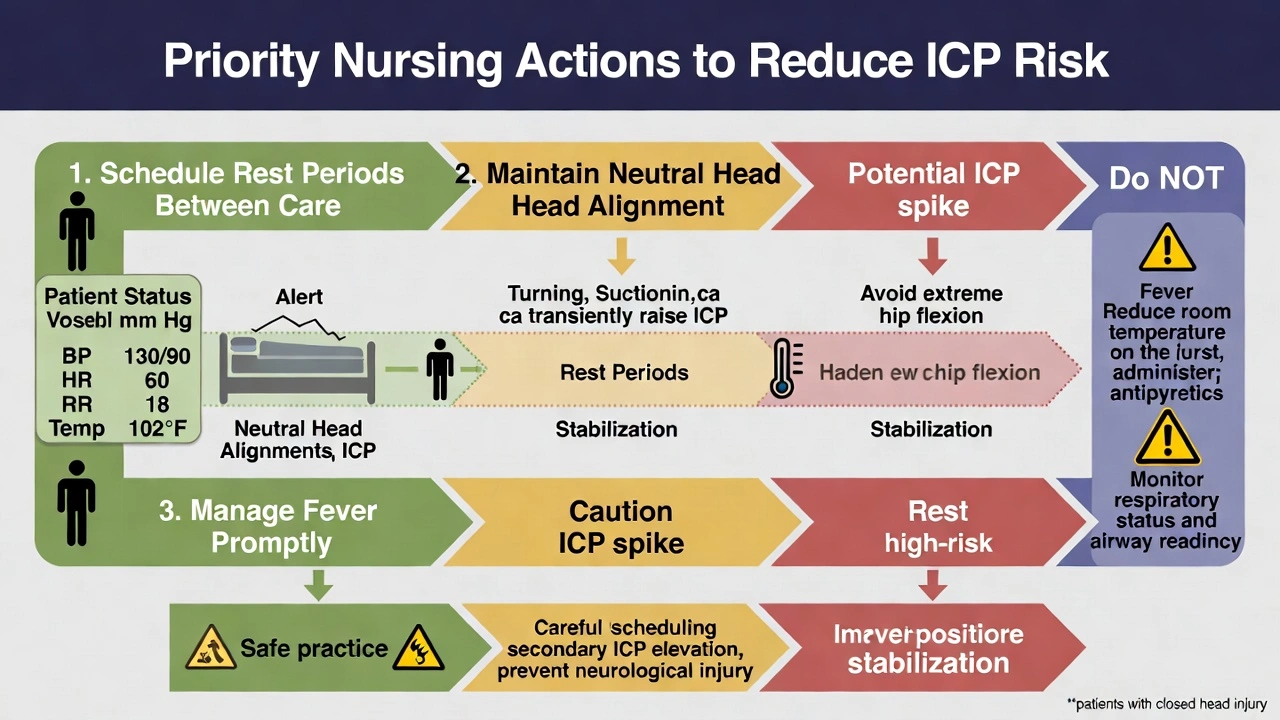
While caring for a patient with a closed head injury, the nurse assesses the patient to be alert with a blood pressure 130/90 mm Hg, heart rate 60 beats/min, respirations 18 breaths/min, and a temperature of 102°F. To reduce the risk of increased intracranial pressure (ICP) in this patient, what is (are) the priority nursing action(s)?
A.
Maintain neutral head alignment and avoid extreme hip flexion.
B. Ensure adequate periods of rest between nursing interventions.
C. Reduce ambient room temperature and administer antipyretics.
D. Insert an oral airway and monitor respiratory rate and depth.
Rationale
Ensuring adequate periods of rest between nursing interventions is the priority action to reduce the risk of increased ICP in this patient.
Nursing interventions such as suctioning, turning, or assessments can transiently elevate ICP in brain-injured patients. Clustering care without rest periods prevents cumulative ICP spikes and allows cerebral hemodynamics to stabilize. While fever management is important (hyperthermia increases cerebral metabolic demand), the question specifically asks about reducing ICP risk from nursing care. Strategic scheduling of interventions with rest intervals is a foundational, non-pharmacological strategy to minimize ICP fluctuations.
A. Maintain neutral head alignment and avoid extreme hip flexion
Proper positioning supports venous drainage and reduces ICP, but this is a continuous baseline measure, not the priority action specific to managing intervention-induced ICP spikes.
B. Ensure adequate periods of rest between nursing interventions
This is correct. Rest periods allow ICP to return to baseline after transient elevations from care activities. This strategy is emphasized in neurocritical care guidelines to prevent secondary injury.
C. Reduce ambient room temperature and administer antipyretics
Fever management is crucial because hyperthermia increases cerebral metabolism and ICP. However, the question focuses on actions to reduce ICP risk from nursing care delivery, making rest periods more directly relevant to the scenario.
D. Insert an oral airway and monitor respiratory rate and depth
Airway management is vital if the patient loses protective reflexes, but this alert patient with stable respirations does not require an oral airway. Monitoring is ongoing but not the priority intervention for ICP prevention in this context.
Conclusion: Neuroprotective nursing care balances necessary interventions with physiological preservation. Scheduling care with rest periods is a simple yet powerful strategy to minimize ICP volatility. Nurses must integrate this approach with fever control, positioning, and sedation protocols to create a comprehensive plan that supports cerebral recovery. This thoughtful care coordination exemplifies the art of neurocritical nursing.
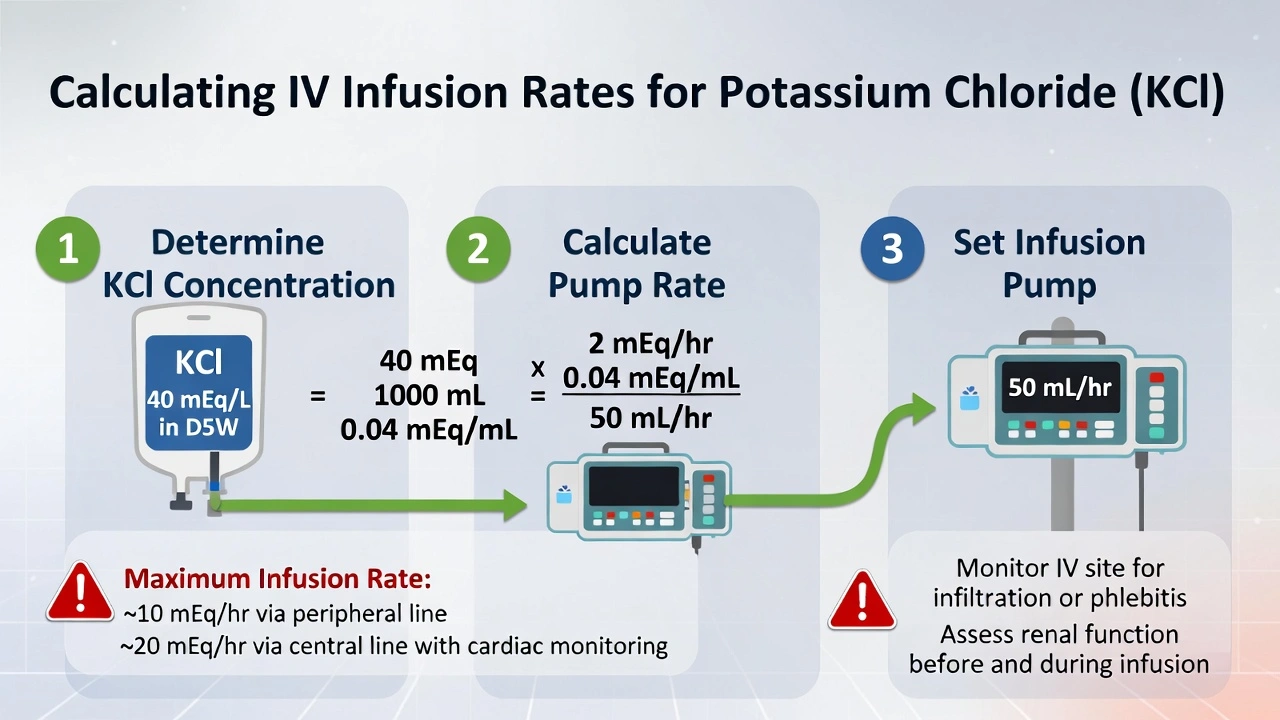
The patient has hypokalemia and is to receive an IV infusion of potassium chloride. The physician orders the KCl to infuse at a rate of 2 mEq/hr. The pharmacy sends KCL 40mEq/L in D5W. The nurse will set the infusion pump @ ________ mL/hr
A.
B.
C.
D.
Rationale
The nurse will set the infusion pump at 50 mL/hr for the potassium chloride infusion.
To calculate the infusion rate: First, determine concentration: 40 mEq/L = 40 mEq/1000 mL = 0.04 mEq/mL. The ordered rate is 2 mEq/hr. Divide ordered rate by concentration: 2 mEq/hr ÷ 0.04 mEq/mL = 50 mL/hr. This rate delivers potassium safely within recommended limits (typically ≤10 mEq/hr via peripheral line, ≤20 mEq/hr via central line with cardiac monitoring). Slow infusion prevents phlebitis, pain, and cardiac arrhythmias from rapid potassium administration.
Note: The calculation is straightforward and matches the provided answer key (50 mL/hr). Administering potassium too rapidly can cause life-threatening hyperkalemia, cardiac arrest, or vein irritation. The 50 mL/hr rate ensures controlled replacement while allowing frequent monitoring of serum potassium and cardiac rhythm.
Nurses must also verify the route (peripheral vs. central), monitor the IV site for infiltration, and assess renal function before and during infusion, as potassium excretion depends on kidney function.
Conclusion: Potassium replacement requires careful calculation and vigilant monitoring to correct deficits safely. Nurses play a critical role in preventing complications by adhering to infusion rate limits, using appropriate dilution, and continuously assessing patient response. This scenario highlights the importance of electrolyte management knowledge in preventing iatrogenic harm during IV therapy.
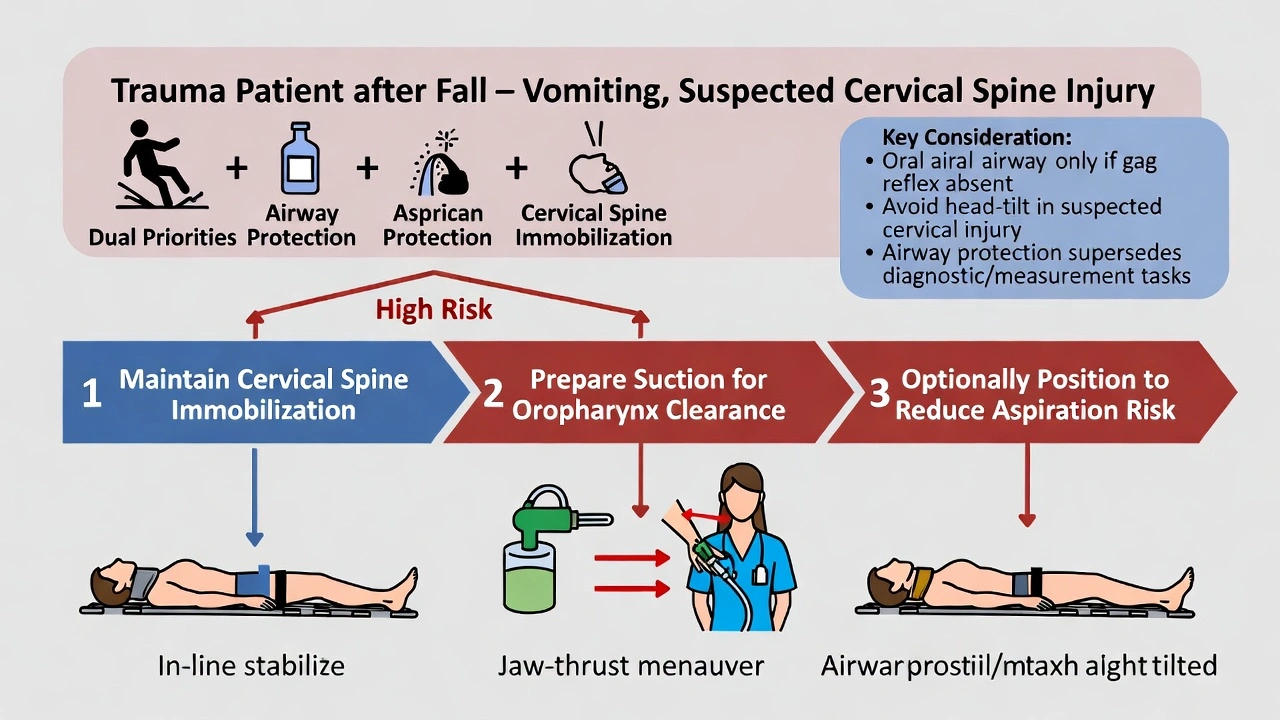
The nurse has admitted a patient to the ED following a fall from a first-floor hotel balcony. The patient smells of alcohol and begins to vomit in the ED. Which of the following interventions is most appropriate?
A.
Prepare to suction the oropharynx while maintaining cervical spine immobilization.
B. Send a specimen of the emesis to the laboratory for analysis of blood alcohol content.
C. Insert an oral airway to prevent aspiration and to protect the airway.
D. Offer the patient an emesis basin so that you can measure the amount of emesis.
Rationale
The most appropriate intervention is to prepare to suction the oropharynx while maintaining cervical spine immobilization.
A fall from height raises suspicion for cervical spine injury, requiring immobilization until cleared. Vomiting in an altered or intoxicated patient poses high aspiration risk. Preparing to suction while maintaining in-line cervical stabilization addresses both priorities: protecting the airway from aspiration and preventing secondary spinal cord injury. This approach aligns with ATLS guidelines, which emphasize simultaneous airway management and spinal precautions in trauma patients with altered mental status.
A. Prepare to suction the oropharynx while maintaining cervical spine immobilization
This is correct. Suction readiness prevents aspiration pneumonia, while cervical immobilization protects the spinal cord. The nurse should use jaw-thrust (not head-tilt) maneuver and have suction immediately available.
B. Send a specimen of the emesis to the laboratory for analysis of blood alcohol content
Blood alcohol level may be clinically relevant but is not urgent. Airway protection takes absolute priority over diagnostic testing in a vomiting trauma patient.
C. Insert an oral airway to prevent aspiration and to protect the airway
Oral airways are indicated only if the patient lacks a gag reflex. In a vomiting patient with intact reflexes, an oral airway may stimulate gagging and worsen aspiration risk. Suction and positioning are safer initial interventions.
D. Offer the patient an emesis basin so that you can measure the amount of emesis
Measuring emesis is a low-priority task. In a trauma patient with potential spinal injury and aspiration risk, immediate airway protection supersedes output measurement.
Conclusion: Trauma nursing requires simultaneous management of multiple life threats. This scenario exemplifies the need to prioritize airway protection while maintaining spinal precautions—a delicate balance achieved through skilled technique and preparedness. Nurses must anticipate complications, prepare equipment proactively, and advocate for systematic trauma assessment to optimize outcomes in high-acuity situations.
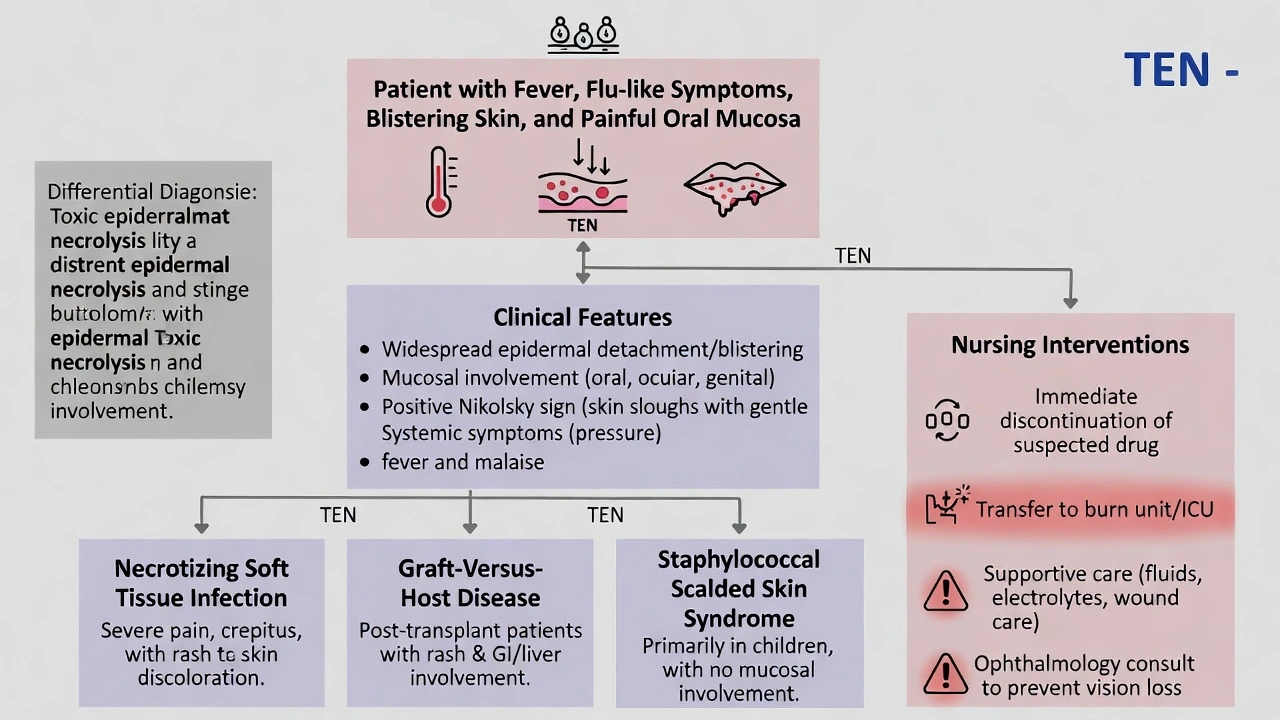
A 63-year-old patient is admitted with new-onset fever; flulike symptoms; blisters over the arms, chest, and neck; and red, painful oral mucous membranes. The patient should be further evaluated for which possible non-burn-injured skin disorder?
A.
Necrotizing soft tissue infection
B. Graft-versus-host disease
C. Staphylococcal scalded skin syndrome
D. Toxic epidermal necrolysis
Rationale
The patient should be further evaluated for toxic epidermal necrolysis.
Toxic epidermal necrolysis (TEN) is a life-threatening mucocutaneous reaction, typically drug-induced, characterized by widespread epidermal detachment, blistering, and mucosal involvement. The presentation of fever, flu-like prodrome, painful oral mucosa, and blistering on the trunk/extremities is classic for TEN. This condition requires immediate discontinuation of suspected offending drugs, transfer to a burn unit or ICU for supportive care, and ophthalmology consultation to prevent blindness. Mortality exceeds 30%, making early recognition critical.
A. Necrotizing soft tissue infection
This presents with severe pain out of proportion to exam, crepitus, skin discoloration, and systemic toxicity—but not typically widespread blistering or prominent mucosal involvement. It requires urgent surgical debridement, not primarily dermatological evaluation.
B. Graft-versus-host disease
GVHD occurs in immunocompromised patients post-transplant, causing rash, diarrhea, and liver dysfunction. While it can involve skin and mucosa, the acute presentation without transplant history makes TEN more likely.
C. Staphylococcal scalded skin syndrome
SSSS primarily affects infants and young children, causing superficial blistering and desquamation without mucosal involvement. The patient's age and oral lesions make this unlikely.
D. Toxic epidermal necrolysis
This is correct. TEN matches the clinical picture: acute onset, mucosal erosions, widespread blistering, and systemic symptoms. Nikolsky sign (skin sloughing with gentle pressure) is often positive. Immediate dermatology consultation and supportive care are essential.
Conclusion: Toxic epidermal necrolysis is a dermatological emergency requiring rapid diagnosis and multidisciplinary management. Nurses must recognize the hallmark features—mucosal involvement, blistering, and drug exposure history—to trigger life-saving interventions. Early transfer to specialized care units improves survival, underscoring nursing's role in timely escalation of care.
The nurse is managing the pain of a patient with burns. The provider has prescribed opiates to be given intramuscularly. The nurse contacts the provider to change the prescription to intravenous administration because:
A.
Intramuscular injections cause additional skin disruption.
B. Tissue edema may interfere with drug absorption of injectable routes.
C. Hypermetabolism limits effectiveness of medications administered intramuscularly.
D. Burn pain is so severe it requires relief by the fastest route available.
Rationale
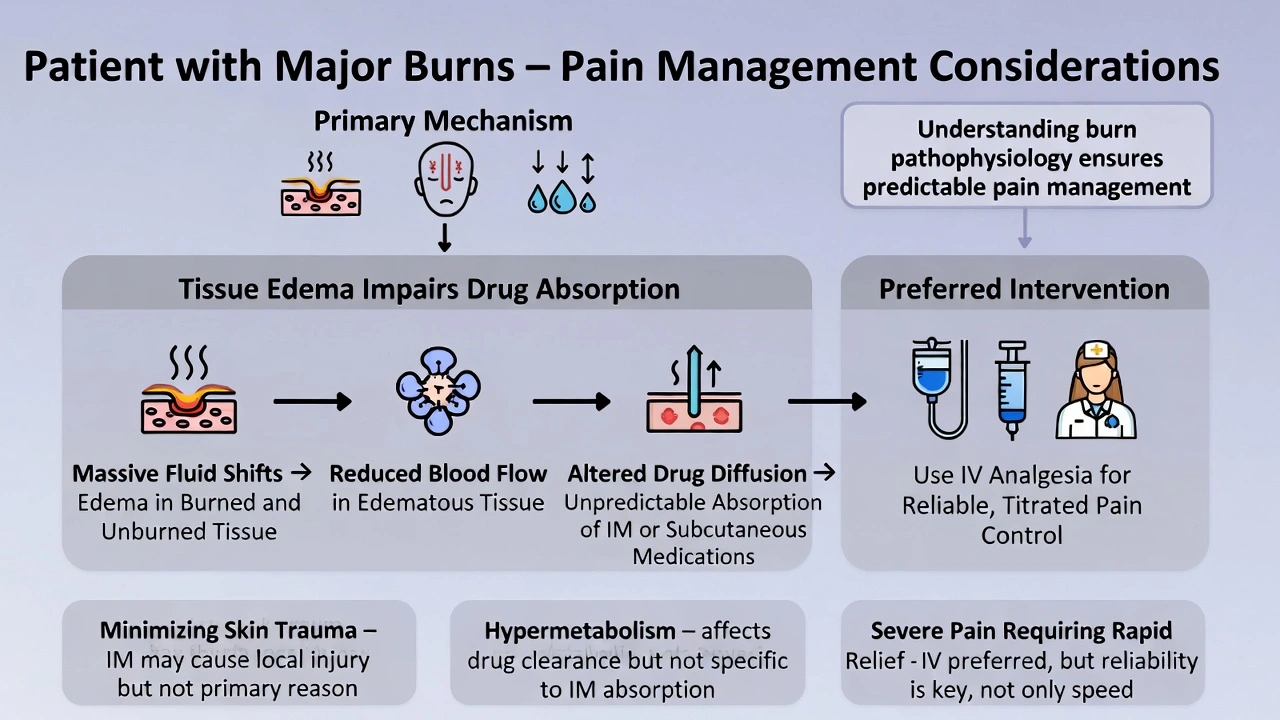
The nurse contacts the provider because tissue edema may interfere with drug absorption of injectable routes.
In major burns, massive fluid shifts cause significant tissue edema, which can impair absorption of intramuscular (IM) or subcutaneous medications. Edematous tissue has reduced blood flow and altered diffusion characteristics, leading to unpredictable drug uptake—either delayed absorption causing inadequate pain control or sudden release causing toxicity when edema resolves. Intravenous administration bypasses this variable absorption, providing reliable, titratable analgesia essential for burn pain management.
A. Intramuscular injections cause additional skin disruption
While minimizing skin trauma is desirable, this is not the primary pharmacokinetic rationale. IM injections in unburned areas are technically possible but still subject to absorption issues from systemic edema.
B. Tissue edema may interfere with drug absorption of injectable routes
This is correct. Edema alters the pharmacokinetics of IM/subcutaneous drugs, making IV the preferred route for predictable, rapid analgesia in burn patients.
C. Hypermetabolism limits effectiveness of medications administered intramuscularly
Hypermetabolism increases drug clearance but affects all routes similarly. It does not specifically disadvantage IM administration compared to IV.
D. Burn pain is so severe it requires relief by the fastest route available
While IV is faster than IM, the key issue is reliability of absorption, not just speed. Oral or other routes may also be fast but are similarly affected by absorption issues.
Conclusion: Pain management in burn care requires understanding how pathophysiology affects pharmacology. Nurses advocate for IV analgesia not just for speed but for predictable absorption in edematous tissues. This knowledge ensures effective pain control while minimizing risks of under- or overdosing—a critical balance in compassionate burn nursing.
The nurse is caring for a patient who has circumferential full-thickness burns of his forearm. A priority in the plan of care is:
A.
To keep the extremity in a dependent position.
B. To prepare for an escharotomy as a prophylactic measure.
C. Active or passive range-of-motion exercises every hour.
D. To splint the forearm.
Rationale
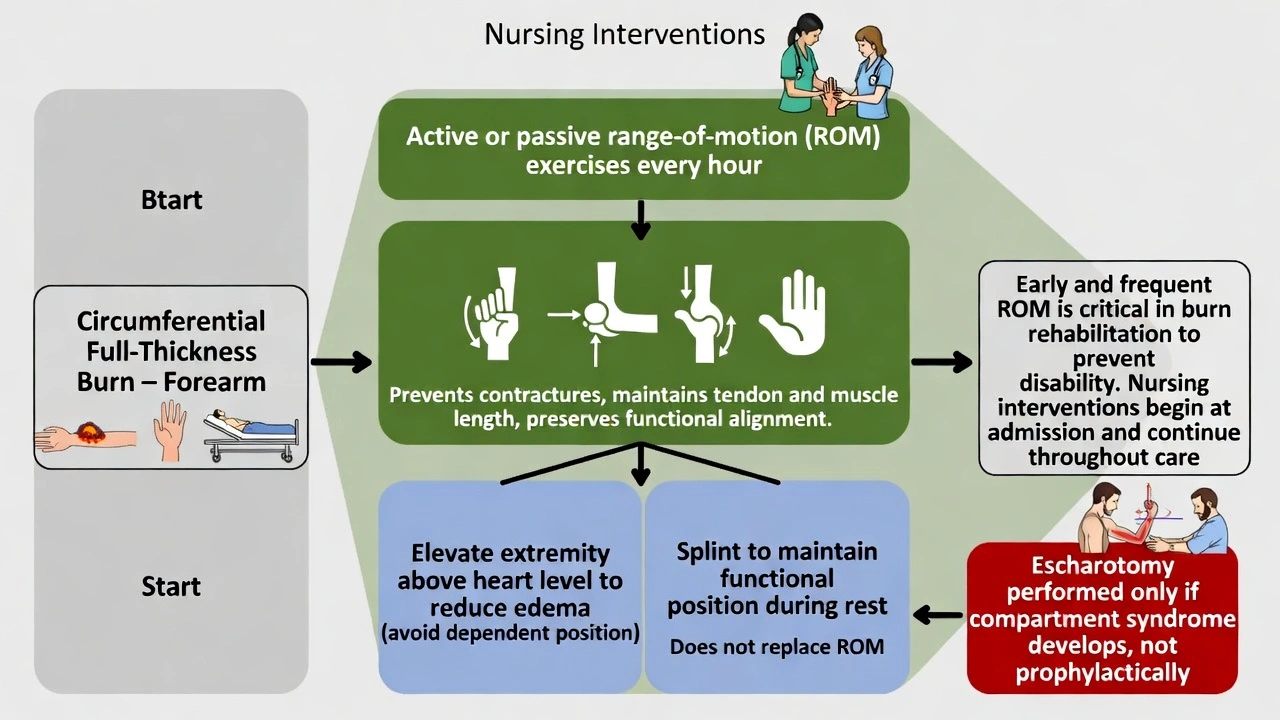
A priority in the plan of care is active or passive range-of-motion exercises every hour.
Circumferential full-thickness burns create a non-elastic eschar that can restrict movement and, if over joints, lead to contractures. Hourly range-of-motion (ROM) exercises maintain joint flexibility, prevent shortening of tendons and muscles, and preserve functional alignment. Early, frequent ROM is a cornerstone of burn rehabilitation and should begin as soon as the patient is hemodynamically stable. While escharotomy may be needed if compartment syndrome develops, prophylactic ROM is the priority nursing intervention to prevent disability.
A. To keep the extremity in a dependent position
Dependent positioning increases edema and impairs venous return. Burned extremities should be elevated above heart level to reduce swelling, not placed dependently.
B. To prepare for an escharotomy as a prophylactic measure
Escharotomy is indicated for compartment syndrome (pain out of proportion, paresthesia, pallor, pulselessness), not prophylactically. ROM exercises are preventive; escharotomy is a surgical rescue procedure.
C. Active or passive range-of-motion exercises every hour
This is correct. Frequent ROM counters the contracture-promoting effects of burn eschar and immobilization. It preserves function and reduces the need for later reconstructive surgery.
D. To splint the forearm
Splinting may be used to maintain functional position (e.g., wrist extension) but should not replace active movement. Splints are typically applied during rest periods, not as a substitute for hourly ROM.
Conclusion: Burn rehabilitation begins at admission, not after wound closure. Nurses integrate ROM exercises into every care interaction, educating patients on the importance of movement for long-term function. This proactive approach minimizes disability and empowers patients in their recovery journey—a hallmark of expert burn nursing.
Patients who are not able to meet their nutritional needs orally should be started on enteral nutrition within what time frame?
A.
12-24 hours
B. 24-48 hours
C. 6-12 hours
D. 5 days
Rationale
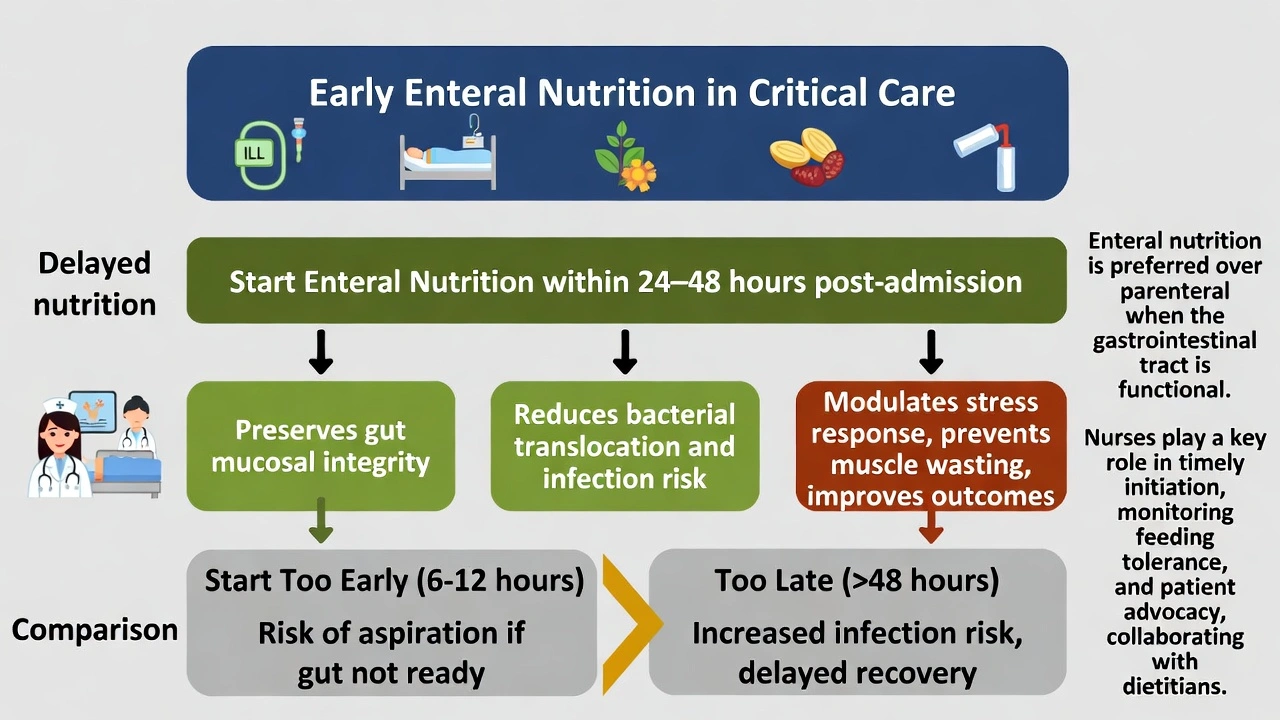
Patients unable to meet nutritional needs orally should be started on enteral nutrition within 24-48 hours.
Early enteral nutrition (within 24-48 hours of admission or injury) is recommended for critically ill patients who cannot eat orally. Early feeding preserves gut mucosal integrity, reduces bacterial translocation, modulates the stress response, and improves outcomes. Delaying nutrition beyond 48 hours increases infection risk, muscle wasting, and mortality. Enteral nutrition is preferred over parenteral when the GI tract is functional.
A. 12-24 hours
While some protocols initiate feeds within 24 hours, 24-48 hours is the widely accepted standard that balances gut readiness with the benefits of early nutrition.
B. 24-48 hours
This is correct. Guidelines from ASPEN and SCCM recommend initiating enteral nutrition within 24-48 hours for critically ill patients who cannot meet needs orally.
C. 6-12 hours
This is too aggressive for most patients; gut motility may not be established, and early feeds can increase aspiration risk. Exceptions exist (e.g., severe burns), but 24-48 hours is the general standard.
D. 5 days
Delaying nutrition for 5 days significantly increases complications. This timeframe is inappropriate for critically ill patients.
Conclusion: Timely initiation of enteral nutrition is a modifiable factor that impacts recovery in critical illness. Nurses advocate for early feeding protocols, monitor tolerance, and collaborate with dietitians to optimize delivery. This proactive approach supports healing and reduces complications—a key nursing contribution to critical care outcomes.
Interpret these ABGs; patient has a history of COPD: pH 7.37, PaCO2 50 mm Hg, bicarbonate 30 mEq/L; SpO2 93%
A.
Compensated metabolic alkalosis
B. Combined metabolic and respiratory acidosis
C. Compensated respiratory acidosis
D. Partly compensated respiratory alkalosis
Rationale
The ABGs represent compensated respiratory acidosis.
In compensated respiratory acidosis, the primary disturbance is elevated PaCO2 (respiratory acidosis), and the kidneys compensate by retaining bicarbonate. Here, PaCO2 is elevated at 50 mm Hg (normal 35-45), bicarbonate is elevated at 30 mEq/L (normal 22-26), and pH is near-normal at 7.37 (slightly acidic but within normal range). This pattern is classic for chronic COPD, where long-standing hypercapnia triggers renal compensation. The SpO2 of 93% reflects chronic hypoxemia common in COPD.
A. Compensated metabolic alkalosis
Metabolic alkalosis features elevated bicarbonate and pH, with compensatory hypoventilation (elevated PaCO2). Here, pH is normal-low, not alkalotic, and the primary issue is respiratory.
B. Combined metabolic and respiratory acidosis
This would show low pH, high PaCO2, and low bicarbonate. Here, bicarbonate is elevated, indicating compensation, not a second acidotic process.
C. Compensated respiratory acidosis
This is correct. Elevated PaCO2 with elevated bicarbonate and near-normal pH indicates chronic respiratory acidosis with metabolic compensation—typical of stable COPD.
D. Partly compensated respiratory alkalosis
Respiratory alkalosis features low PaCO2 and elevated pH. Here, PaCO2 is high and pH is normal-low, ruling out alkalosis.
Conclusion: ABG interpretation requires systematic analysis of pH, PaCO2, and bicarbonate to identify primary disturbances and compensation. In COPD patients, recognizing compensated respiratory acidosis prevents unnecessary interventions to "normalize" PaCO2, which could suppress the patient's hypoxic drive. Nurses use this knowledge to tailor oxygen therapy and monitor for acute-on-chronic deterioration.

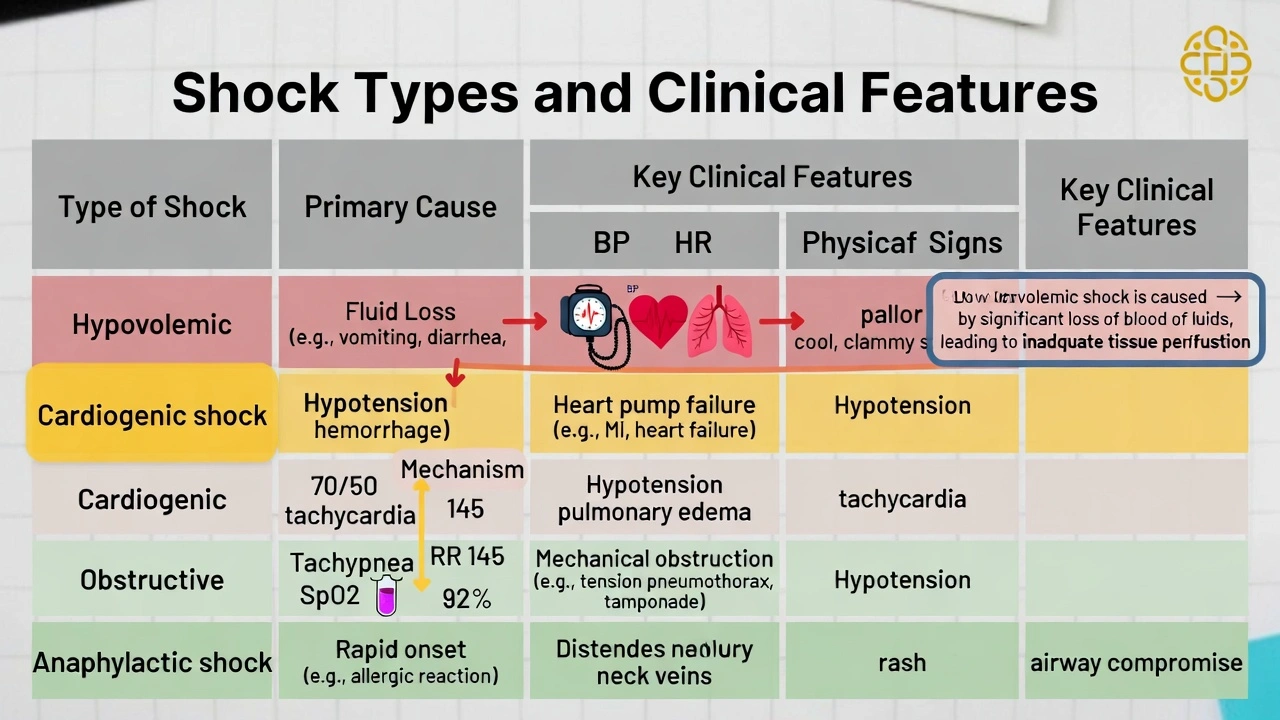
The nurse admits a 35-year-old patient to the emergency department following a 3-day history of nausea and vomiting. Vital signs assessed by the nurse include a BP of 70/50 mm Hg, HR 145 beats/min, RR 36 breaths/min, and SpO2 of 92% on room air. The nurse recognizes which classification of shock?
A.
Obstructive
B. Anaphylactic
C. Cardiogenic
D. Hypovolemic
Rationale
The nurse recognizes hypovolemic shock.
Hypovolemic shock results from significant loss of intravascular volume, as seen with prolonged vomiting, diarrhea, hemorrhage, or dehydration. The presentation of hypotension (BP 70/50), tachycardia (HR 145), tachypnea (RR 36), and borderline hypoxemia reflects compensatory mechanisms to maintain perfusion. Nausea and vomiting for 3 days suggest fluid and electrolyte losses leading to volume depletion. Immediate fluid resuscitation is the priority intervention.
A. Obstructive
Obstructive shock (e.g., tension pneumothorax, cardiac tamponade) involves mechanical obstruction of blood flow. There is no history or signs (e.g., JVD, muffled heart sounds) to suggest this etiology.
B. Anaphylactic
Anaphylactic shock features urticaria, angioedema, bronchospasm, and rapid onset after allergen exposure. The history of vomiting without allergic features makes this unlikely.
C. Cardiogenic
Cardiogenic shock involves pump failure, typically with pulmonary edema, elevated JVP, and history of cardiac disease. The presentation here is more consistent with volume loss than cardiac dysfunction.
D. Hypovolemic
This is correct. The history of prolonged vomiting, hypotension, and tachycardia aligns with hypovolemic shock from fluid losses. Rapid volume replacement is lifesaving.
Conclusion: Recognizing shock types guides targeted resuscitation. Hypovolemic shock requires aggressive fluid replacement, while other types need different interventions (e.g., epinephrine for anaphylaxis, pericardiocentesis for tamponade). Nurses use history and assessment to differentiate shock etiologies, ensuring timely, appropriate care.
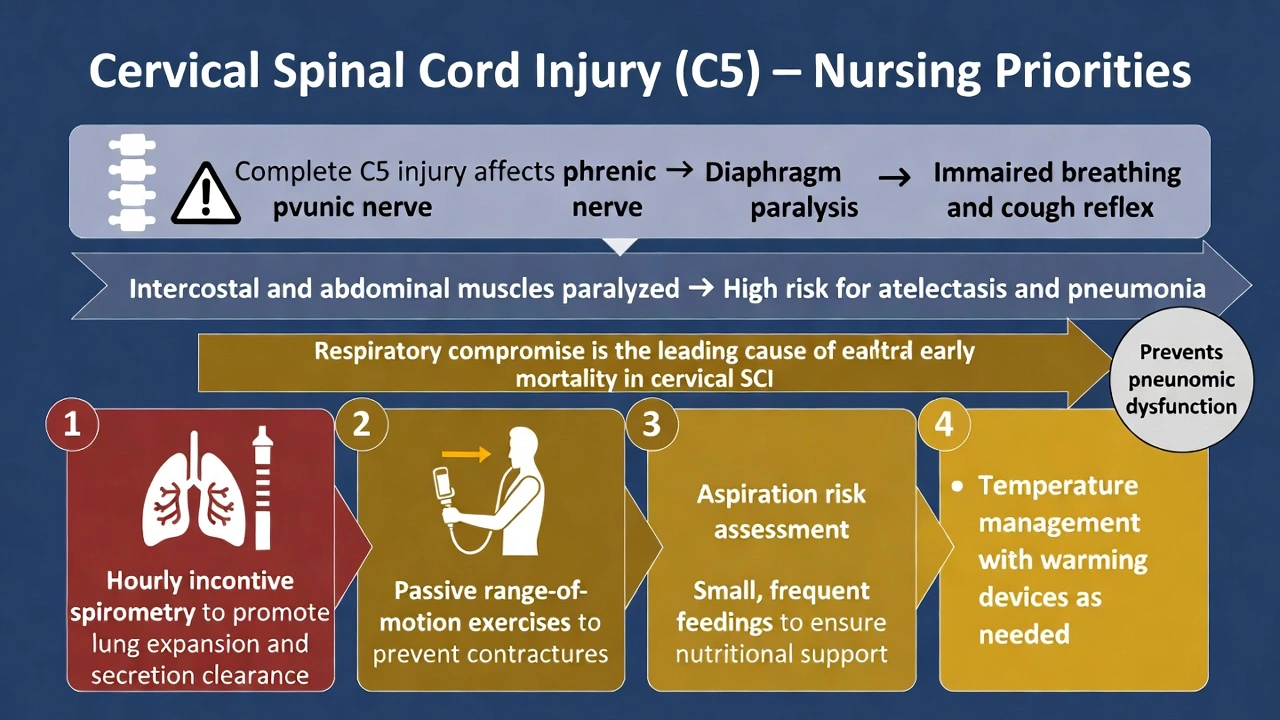
The nurse is preparing to admit a patient from the ED who has sustained a complete spinal cord lesion at the C5 level. When planning the patient's care, which nursing intervention is most important?
A.
Give small, frequent feedings.
B. Assist with passive range-of-motion.
C. Apply warming devices as needed.
D. Perform hourly incentive spirometry.
Rationale
The most important nursing intervention is to perform hourly incentive spirometry.
A complete spinal cord injury at C5 affects the phrenic nerve (C3-C5), which innervates the diaphragm. While some diaphragmatic function may remain, intercostal and abdominal muscles are paralyzed, impairing cough, deep breathing, and secretion clearance. This places the patient at high risk for atelectasis and pneumonia. Hourly incentive spirometry promotes lung expansion, prevents complications, and is a priority in the acute phase of cervical spinal cord injury.
A. Give small, frequent feedings
Nutritional support is important but not the immediate priority over respiratory care in a fresh C5 injury. Aspiration risk must be assessed first.
B. Assist with passive range-of-motion
ROM prevents contractures but is secondary to maintaining airway and breathing in the acute phase.
C. Apply warming devices as needed
Temperature dysregulation occurs with spinal cord injury due to autonomic dysfunction, but respiratory support takes precedence in the initial care plan.
D. Perform hourly incentive spirometry
This is correct. Respiratory compromise is the leading cause of early mortality in cervical spinal cord injury. Proactive pulmonary hygiene is lifesaving.
Conclusion: Spinal cord injury care prioritizes the ABCs, with respiratory support paramount in cervical injuries. Nurses implement aggressive pulmonary toileting, monitor for respiratory fatigue, and prepare for possible mechanical ventilation. This focus on airway and breathing exemplifies the systematic approach required in neurotrauma nursing.
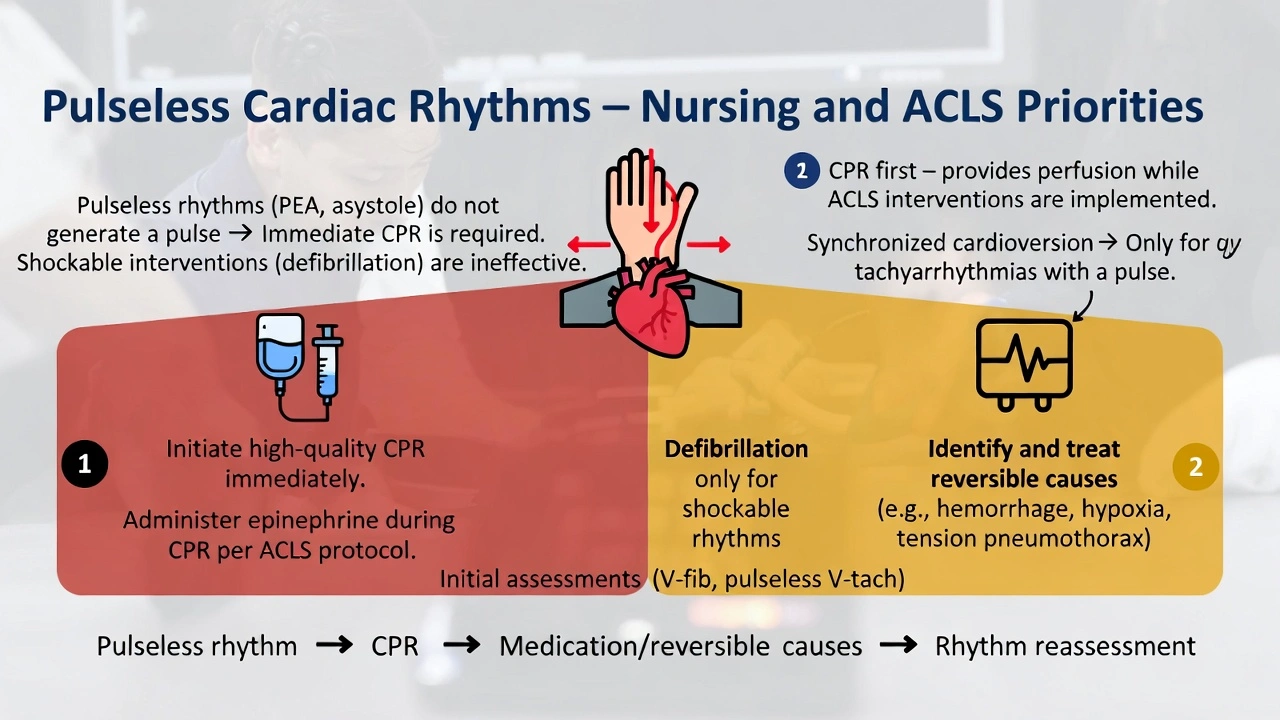
While caring for a patient who is experiencing a postoperative hemorrhage, the healthcare provider notes the rhythm observed on the electrocardiogram (EKG) does not produce a pulse. Which actions should the healthcare provider initiate first?
A.
Synchronized cardioversion
B. Cardiopulmonary resuscitation (CPR)
C. Administer epinephrine
D. Defibrillation
Rationale
The healthcare provider should initiate cardiopulmonary resuscitation (CPR) first.
When an EKG rhythm does not produce a pulse, the patient is in pulseless electrical activity (PEA) or asystole—both are cardiac arrest rhythms requiring immediate high-quality CPR. CPR maintains minimal blood flow to the brain and heart while the team identifies and treats reversible causes (e.g., hemorrhage, hypoxia, tension pneumothorax). Defibrillation is only indicated for shockable rhythms (ventricular fibrillation or pulseless ventricular tachycardia), not PEA or asystole.
A. Synchronized cardioversion
This is used for unstable tachyarrhythmias with a pulse (e.g., atrial fibrillation with RVR), not for pulseless rhythms. It is inappropriate here.
B. Cardiopulmonary resuscitation (CPR)
This is correct. For any pulseless rhythm, immediate CPR is the foundation of cardiac arrest management per ACLS guidelines.
C. Administer epinephrine
Epinephrine is given during CPR for PEA/asystole but after initiating chest compressions. CPR comes first to provide perfusion.
D. Defibrillation
Defibrillation is for shockable rhythms only. Delivering a shock for PEA or asystole is ineffective and delays CPR.
Conclusion: Cardiac arrest management requires rapid rhythm recognition and protocol-driven response. Nurses must distinguish shockable from non-shockable rhythms to ensure appropriate interventions. Starting CPR immediately for pulseless rhythms is the single most important action to improve survival.
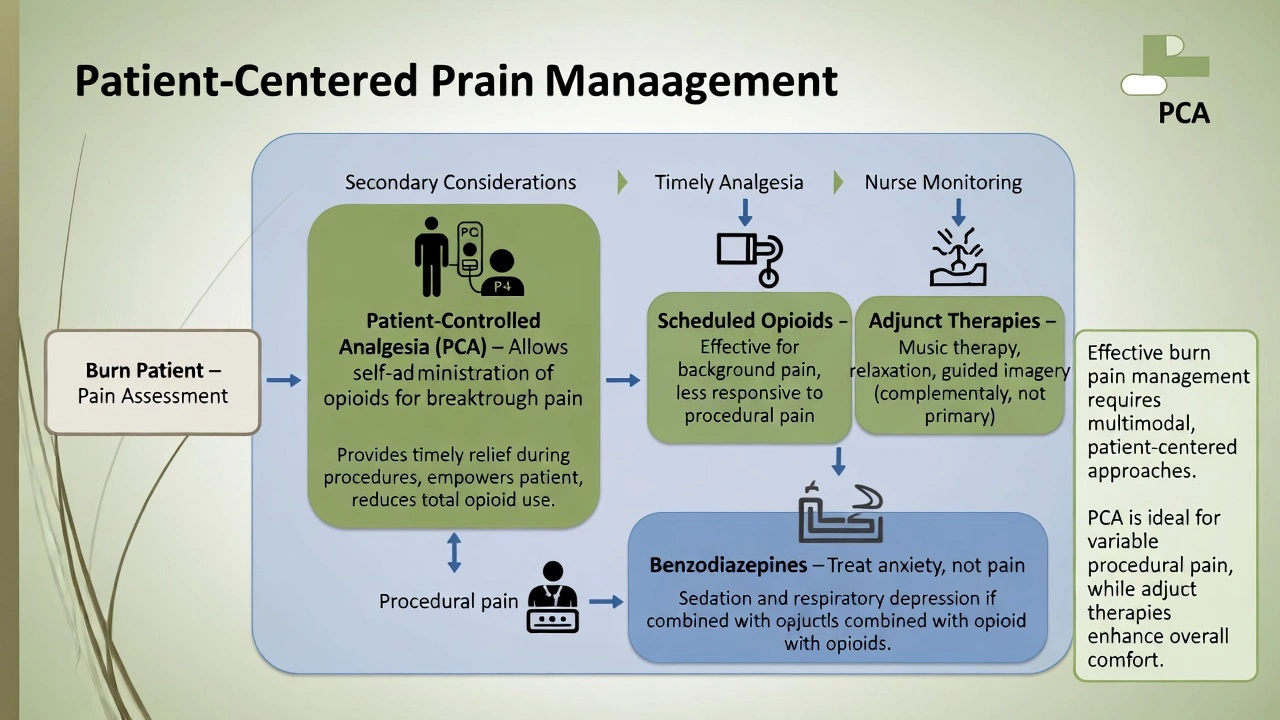
The nurse is planning care to meet the patient's pain management needs related to burn treatment. The patient is alert, oriented, and follows commands. The pain is worse during the day, when various treatments are scheduled. Which statement to the provider best indicates the nurse's knowledge of pain management for this patient?
A.
"The patient's pain is often unrelieved. I suggest that we also add benzodiazepines to the opioids around the clock."
B. "The patient's pain is often unrelieved. It would be best if we can schedule the opioids around the clock."
C. "The patient's pain varies depending on the treatment given. Can we try patient-controlled analgesia to see if that helps the patient better?"
D. "Can we ask the music therapist to come by each morning to see if that will help the patient's pain?"
Rationale
The statement that best indicates the nurse's knowledge is: "The patient's pain varies depending on the treatment given. Can we try patient-controlled analgesia to see if that helps the patient better?"
Burn pain has both background (constant) and procedural (treatment-related) components. Patient-controlled analgesia (PCA) allows the patient to self-administer small, safe doses of opioid for breakthrough pain, providing timely relief during painful procedures like dressing changes or physical therapy. PCA empowers patients, reduces anxiety about pain, and often decreases total opioid consumption by preventing pain escalation. This approach aligns with multimodal, patient-centered pain management guidelines.
A. "The patient's pain is often unrelieved. I suggest that we also add benzodiazepines to the opioids around the clock."
Benzodiazepines treat anxiety, not pain, and combining them with opioids increases sedation and respiratory depression risk without addressing procedural pain. This is not best practice.
B. "The patient's pain is often unrelieved. It would be best if we can schedule the opioids around the clock."
Scheduled opioids address background pain but do not allow flexibility for unpredictable procedural pain. PCA or supplemental dosing is more responsive to variable pain patterns.
C. "The patient's pain varies depending on the treatment given. Can we try patient-controlled analgesia to see if that helps the patient better?"
This is correct. PCA acknowledges the fluctuating nature of burn pain and gives the patient control over breakthrough doses, improving satisfaction and outcomes.
D. "Can we ask the music therapist to come by each morning to see if that will help the patient's pain?"
Non-pharmacological interventions like music therapy are valuable adjuncts but should complement, not replace, adequate pharmacological management for severe burn pain.
Conclusion: Effective burn pain management requires anticipating procedural pain and empowering patient participation. Nurses advocate for flexible, multimodal strategies like PCA that address both physiological and psychological aspects of pain. This patient-centered approach reduces suffering and supports engagement in rehabilitation—a critical component of burn recovery.
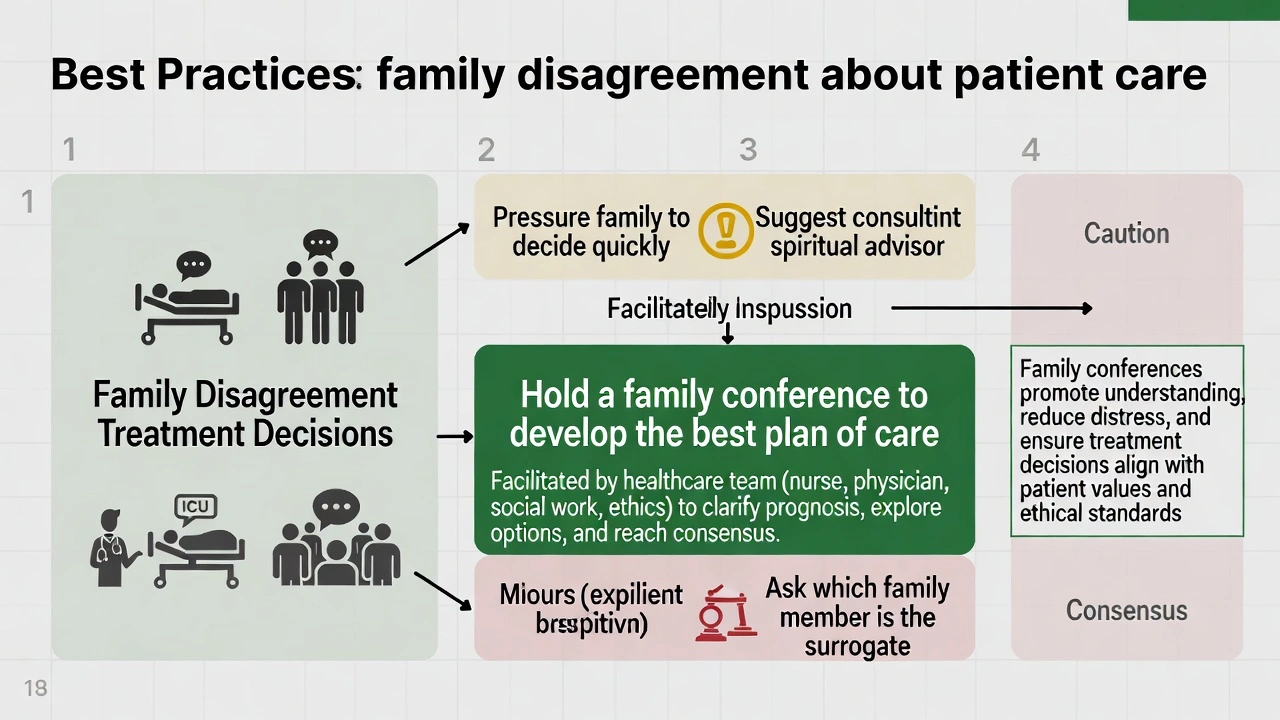
The nurse assesses that there is significant disagreement among family members about what course of treatment is best for the patient. What would be the best response by the nurse?
A.
"You need to come to a decision quickly and let us know what you want."
B. "Perhaps you should consult with your pastor or priest."
C. "Which one of you is the patient's surrogate to make the decision?"
D. "Could we hold a family conference so that we can develop the best plan of care for your loved one?"
Rationale
The best response is: "Could we hold a family conference so that we can develop the best plan of care for your loved one?"
Family conflict about treatment decisions requires structured communication to ensure all voices are heard, clarify the patient's values, and reach consensus. A family conference facilitated by the healthcare team (nurse, physician, social work, ethics) provides a safe space for discussion, education about prognosis, and exploration of options. This approach respects family dynamics while focusing on the patient's best interests and previously expressed wishes.
A. "You need to come to a decision quickly and let us know what you want."
This pressures the family and may escalate conflict. It does not address the underlying disagreement or provide support for decision-making.
B. "Perhaps you should consult with your pastor or priest."
Spiritual support can be valuable, but suggesting this alone may dismiss the need for medical clarification and team facilitation. It should complement, not replace, a family conference.
C. "Which one of you is the patient's surrogate to make the decision?"
While identifying the legal decision-maker is important, this question alone may inflame conflict if family roles are unclear. It should be addressed within a broader facilitated discussion.
D. "Could we hold a family conference so that we can develop the best plan of care for your loved one?"
This is correct. It invites collaboration, centers the patient's needs, and leverages interdisciplinary expertise to resolve disagreement respectfully and effectively.
Conclusion: Navigating family conflict requires emotional intelligence, communication skills, and knowledge of ethics resources. Nurses initiate family conferences to promote understanding, reduce distress, and ensure decisions align with patient values. This leadership role is essential to ethical, compassionate critical care.
RN Exams
ATI Quizzes
3 Practice Tests
ATI Quizzes
3 Practice Tests
ATI Quizzes
3 Practice Tests
ATI Quizzes
3 Practice Tests