MEDICAL SURGICAL NURSING REVIEW QUESTIONS
00:00
For patients with major burns, when should you start enteral feedings?
A.
A few hours after the injury has occurred
B. Not until bowel sounds have returned
C. After the emergent phase of the injury
D. 2 to 3 days after the injury
Rationale
Enteral feedings should be initiated a few hours after the burn injury has occurred in patients with major burns.
Early enteral nutrition—ideally within 24 hours and often within the first few hours post-burn—is standard of care for major burns. Starting feedings early preserves gut mucosal integrity, reduces bacterial translocation, modulates the hypermetabolic and inflammatory response, and improves wound healing and immune function. The gastrointestinal tract typically remains functional after burn trauma, and delaying nutrition exacerbates catabolism, increases infection risk, and prolongs recovery. Current American Burn Association guidelines support initiating tube feeds once the patient is hemodynamically stable, regardless of bowel sound presence.
A. A few hours after the injury has occurred
This aligns with evidence-based practice. Early feeding supports gut barrier function, reduces systemic inflammation, and meets the dramatically increased caloric (25-30 kcal/kg) and protein (1.5-2.5 g/kg) demands of burn recovery.
B. Not until bowel sounds have returned
This is outdated. Bowel sounds are unreliable indicators of GI readiness; ileus may be present but does not preclude cautious initiation of trophic feeds, which can actually stimulate motility.
C. After the emergent phase of the injury
The emergent phase (first 24-48 hours) is precisely when nutritional support is most critical to counteract the catabolic surge. Delaying misses a vital window for metabolic intervention.
D. 2 to 3 days after the injury
This delay increases risks of malnutrition, impaired wound healing, and infectious complications. Modern protocols emphasize initiation within hours, not days.
Conclusion: Prompt enteral nutrition is a critical, life-saving intervention in major burn management. Nurses advocate for early feeding protocols, monitor tolerance (gastric residuals, abdominal distension, bowel function), and collaborate with nutrition support teams to optimize delivery. This proactive approach supports physiological resilience throughout the prolonged recovery journey, underscoring nursing's role in translating evidence into bedside practice.

While caring for a patient with a basilar skull fracture, the nurse assesses clear drainage from the patient's left naris. What is the best nursing action?
A.
Insert bilateral cotton nasal packing.
B. Have the patient blow the nose until clear.
C. Place a nasal drip pad under the nose.
D. Suction the left nares until the drainage clears.
Rationale
The best nursing action is to place a nasal drip pad under the nose.
Clear drainage from the nose in a patient with basilar skull fracture suggests cerebrospinal fluid (CSF) rhinorrhea, indicating a dural tear. The priority is to prevent infection (meningitis) and avoid increasing intracranial pressure. Placing a sterile drip pad collects drainage for observation and testing (e.g., glucose test or beta-2 transferrin to confirm CSF) without introducing pressure or contaminants. The nurse should also notify the provider, keep the head of bed elevated, and instruct the patient to avoid nose-blowing, coughing, or straining. This conservative, non-invasive action aligns with current neurotrauma guidelines.
A. Insert bilateral cotton nasal packing
Packing introduces infection risk, can increase intracranial pressure by obstructing CSF outflow, and may displace fracture fragments. It is contraindicated in suspected CSF leak.
B. Have the patient blow the nose until clear
Nose-blowing dramatically increases intracranial pressure and can force air or bacteria into the cranial cavity through the dural tear, risking pneumocephalus or meningitis. This action is dangerous and contraindicated.
C. Place a nasal drip pad under the nose
This is the correct action. It allows non-invasive collection of drainage for assessment, minimizes infection risk, avoids pressure changes, and supports ongoing monitoring while awaiting provider evaluation and imaging.
D. Suction the left nares until the drainage clears
Suctioning creates negative pressure that can draw bacteria into the cranial vault or worsen the CSF leak. It is contraindicated in basilar skull fracture with suspected CSF rhinorrhea.
Conclusion: Basilar skull fracture requires meticulous nursing care to prevent life-threatening complications like meningitis or brain herniation. Recognizing CSF leak signs (clear drainage, halo sign, salty taste) and responding with non-invasive, protective measures is critical. Nurses serve as frontline defenders by implementing evidence-based precautions, educating patients on activity restrictions, and facilitating timely diagnostic confirmation. This scenario highlights the importance of pathophysiology knowledge in guiding safe, effective interventions.

Which of the following would be seen in a patient with myxedema coma?
A.
Decreased reflexes
B. Hyperthermia
C. Tachycardia
D. Hyperventilation
Rationale
A patient with myxedema coma would exhibit decreased reflexes.
Myxedema coma is a life-threatening exacerbation of severe hypothyroidism characterized by decreased metabolic activity. Decreased or absent deep tendon reflexes (with delayed relaxation phase) are classic findings due to slowed neuromuscular function. Other hallmark signs include hypothermia (not hyperthermia), bradycardia (not tachycardia), hypoventilation (not hyperventilation), hypotension, hyponatremia, and altered mental status. Recognizing these hypometabolic signs is critical because myxedema coma has a high mortality rate and requires immediate thyroid hormone replacement, glucocorticoids, and supportive care.
A. Decreased reflexes
This is correct. Hypothyroidism slows neuromuscular transmission, leading to diminished reflexes with a characteristic "hung-up" relaxation phase. This finding, combined with other hypometabolic signs, supports the diagnosis.
B. Hyperthermia
Hyperthermia is incorrect; myxedema coma causes hypothermia due to reduced basal metabolic rate. Fever would suggest infection, a common precipitant of myxedema coma, but is not a direct feature of the condition itself.
C. Tachycardia
Tachycardia is incorrect; bradycardia is typical due to decreased sympathetic tone and reduced cardiac output. Tachycardia might occur if the patient is septic or in heart failure, but it is not a primary feature of myxedema coma.
D. Hyperventilation
Hyperventilation is incorrect; hypoventilation and respiratory acidosis are common due to depressed respiratory drive and muscle weakness. Mechanical ventilation is often required in severe cases.
Conclusion: Myxedema coma is a clinical diagnosis requiring high suspicion in patients with known or undiagnosed hypothyroidism presenting with altered mental status and hypothermia. Nurses play a vital role in recognizing the constellation of hypometabolic signs—decreased reflexes, bradycardia, hypoventilation—and initiating warming measures, cardiac monitoring, and urgent provider notification. Early recognition and treatment with intravenous levothyroxine and stress-dose steroids are lifesaving, underscoring the importance of endocrine emergency knowledge in critical care nursing.

Diabetic ketoacidosis, the laboratory results are similar to those of hyperosmolar hyperglycemic syndrome, with three major exceptions. What differences would you expect to see in patients with diabetic ketoacidosis?
A.
Lower serum glucose, lower osmolality, and no ketosis
B. Higher serum glucose, higher osmolality, and no ketosis
C. Lower serum glucose, lower osmolality, and higher ketosis
D. Higher serum glucose, higher osmolality, and higher ketosis
Rationale
Patients with diabetic ketoacidosis typically exhibit lower serum glucose, lower osmolality, and higher ketosis compared to hyperosmolar hyperglycemic syndrome.
While both DKA and HHS involve hyperglycemia and dehydration, DKA is characterized by significant ketosis and metabolic acidosis due to severe insulin deficiency and counterregulatory hormone excess. Serum glucose in DKA is usually 250-600 mg/dL (lower than HHS, which often exceeds 600 mg/dL), serum osmolality is typically <320 mOsm/kg (lower than HHS, which is >320 mOsm/kg), and ketones are markedly elevated in blood and urine. These differences reflect DKA's pathophysiology of lipolysis and ketogenesis versus HHS's predominant hyperosmolar state with minimal ketosis.
A. Lower serum glucose, lower osmolality, and no ketosis
Incorrect because "no ketosis" describes HHS, not DKA. DKA is defined by significant ketosis; absence of ketones would rule out DKA.
B. Higher serum glucose, higher osmolality, and no ketosis
This describes HHS, not DKA. HHS features extreme hyperglycemia (>600 mg/dL), high osmolality (>320 mOsm/kg), and minimal or absent ketosis due to residual insulin suppressing lipolysis.
C. Lower serum glucose, lower osmolality, and higher ketosis
This is correct. DKA typically has moderate hyperglycemia (250-600 mg/dL), lower osmolality (<320 mOsm/kg), and prominent ketosis with metabolic acidosis (pH <7.3, bicarbonate <18 mEq/L).
D. Higher serum glucose, higher osmolality, and higher ketosis
This combination is uncommon; extreme hyperglycemia with high ketosis suggests overlapping DKA-HHS, but classic DKA has lower glucose/osmolality than HHS.
Conclusion: Differentiating DKA from HHS guides critical treatment decisions: DKA requires aggressive insulin to reverse ketosis and acidosis, while HHS focuses on gradual fluid resuscitation to correct hyperosmolality without precipitating cerebral edema. Nurses must interpret lab trends in context—glucose, electrolytes, anion gap, ketones, and osmolality—to anticipate complications and tailor monitoring. This analytical skill ensures precise, patient-centered care in complex endocrine emergencies.

The nurse assesses a patient with a skull fracture to have a Glasgow Coma Scale score of 3. Additional vital signs assessed by the nurse include blood pressure 100/70 mm Hg, heart rate 55 beats/min, respiratory rate 10 breaths/min, oxygen saturation (SpO2) 94% on oxygen at 3 L per nasal cannula. What is the priority nursing action?
A.
Increase supplemental oxygen delivery.
B. Monitor the patient's airway patency.
C. Elevate the head of the patient's bed.
D. Support bony prominences with padding.
Rationale
The priority nursing action is to monitor the patient's airway patency.
A GCS of 3 indicates deep coma with no eye, verbal, or motor response, placing the patient at extreme risk for airway compromise due to loss of protective reflexes (gag, cough). The bradycardia (HR 55) and borderline low respiratory rate (10/min) suggest possible increased intracranial pressure (Cushing's triad: bradycardia, hypertension, irregular respirations), though BP is not yet hypertensive. Airway management is always the first priority in the ABCs (Airway, Breathing, Circulation). Monitoring patency includes assessing for snoring, gurgling, or absent breath sounds, preparing for possible intubation, and ensuring suction is available. This action prevents hypoxia and hypercapnia, which can worsen cerebral edema.
A. Increase supplemental oxygen delivery
While oxygenation is important, simply increasing oxygen without securing the airway is ineffective if the airway is obstructed. The patient is already on 3L nasal cannula with SpO2 94%; the issue is likely ventilation (low RR) and airway protection, not just oxygen concentration.
B. Monitor the patient's airway patency
This is correct. In a comatose patient, the tongue can obstruct the pharynx, and secretions can accumulate. Continuous assessment for obstruction, positioning for drainage (if no spinal injury), and readiness for advanced airway management are critical first steps before other interventions.
C. Elevate the head of the patient's bed
Head elevation (30-45 degrees) is recommended for increased ICP to promote venous drainage, but it is contraindicated if spinal injury is suspected until cleared. More importantly, airway management takes precedence over positioning; you cannot elevate the head safely if the airway is not secure.
D. Support bony prominences with padding
Skin integrity is important for immobilized patients, but it is a low-priority intervention when the patient has a GCS of 3 and potential neurological deterioration. This is a maintenance task, not an acute life-saving action.
Conclusion: In neurological emergencies, the ABCs remain the foundation of nursing prioritization. A GCS of 3 demands immediate airway assessment and preparation for intubation, as hypoxia can rapidly exacerbate brain injury. Nurses must balance spinal precautions with airway management, using jaw-thrust maneuver if cervical spine injury is possible. This scenario reinforces that technological monitoring (SpO2, vital signs) complements but never replaces hands-on clinical assessment of the unconscious patient.

A college student was admitted to the emergency department after being found unconscious by a roommate. The roommate informs emergency medical personnel that the student has diabetes and has been experiencing flulike symptoms, including vomiting, since yesterday. The patient had been up all night studying for exams. The patient used the last diabetes testing supplies 3 days ago and has not had time to go to the pharmacy to refill prescription supplies. Based upon the history, which laboratory findings would be anticipated in this client? Select all that apply:
A.
HCO3?: 10 mEq/L
B. Blood glucose: 524 mg/dL
C. pH: 7.40
D. Blood glucose: 43 mg/dL
Rationale
Anticipated laboratory findings in this client include HCO3—: 10 mEq/L and blood glucose: 524 mg/dL.
This history suggests diabetic ketoacidosis (DKA): known diabetes, missed medications/testing, illness (flu), vomiting, and altered mental status. DKA labs show hyperglycemia (typically >250 mg/dL), metabolic acidosis (low bicarbonate <18 mEq/L, low pH <7.3), and ketonemia. HCO3 of 10 mEq/L indicates significant metabolic acidosis, and glucose of 524 mg/dL reflects severe hyperglycemia. The pH would be low (<7.3), not normal (7.40). Hypoglycemia (glucose 43 mg/dL) is inconsistent with DKA and suggests insulin overdose or other etiology.
A. HCO3—: 10 mEq/L
This is correct. In DKA, bicarbonate is consumed buffering ketoacids, leading to low levels (<18 mEq/L). A value of 10 mEq/L indicates moderate to severe metabolic acidosis, consistent with the presentation.
B. Blood glucose: 524 mg/dL
This is correct. DKA involves significant hyperglycemia due to insulin deficiency and counterregulatory hormone excess. Glucose >250 mg/dL is typical; 524 mg/dL aligns with severe DKA.
C. pH: 7.40
This is incorrect. A normal pH (7.35-7.45) would not occur in DKA, which causes metabolic acidosis with pH <7.3. A pH of 7.40 would suggest compensated status or alternative diagnosis, not acute DKA.
D. Blood glucose: 43 mg/dL
This is incorrect. Hypoglycemia contradicts DKA pathophysiology. This value might occur in insulin overdose or adrenal crisis, but the history of missed supplies and illness points to hyperglycemic crisis.
Conclusion: Clinical reasoning in diabetes emergencies requires correlating history with expected lab patterns. This student's story—missed supplies, illness, vomiting—classic for DKA, should trigger anticipation of hyperglycemia, acidosis, and ketosis. Nurses must prepare for rapid sequence interventions: fluid resuscitation, insulin infusion, electrolyte replacement, and frequent monitoring. Recognizing that normal pH or hypoglycemia would redirect the differential diagnosis prevents diagnostic errors and ensures timely, appropriate care.

The nurse is caring for a patient who underwent pituitary surgery 12 hours ago. The nurse will give priority to monitoring the patient carefully for which of the following?
A.
Infection
B. Diabetes Insipidus
C. Volume overload
D. Congestive heart failure
Rationale
The nurse will give priority to monitoring the patient carefully for diabetes insipidus following pituitary surgery.
Pituitary surgery, particularly transsphenoidal approaches, carries significant risk of disrupting the posterior pituitary or hypothalamic-pituitary tract, which produces and stores antidiuretic hormone (ADH). Diabetes insipidus (DI) typically manifests within 24-48 hours postoperatively with polyuria (urine output >200-300 mL/hr), dilute urine (specific gravity <1.005), hypernatremia, and signs of dehydration. Early recognition is critical because untreated DI can rapidly lead to severe volume depletion, hypotension, and neurological compromise. Nurses must monitor hourly urine output, specific gravity, serum sodium, and neurological status to detect DI promptly and initiate desmopressin or fluid replacement as ordered.
A. Infection
While surgical site infection and meningitis are potential complications of pituitary surgery, they typically present later (48-72 hours) with fever, nuchal rigidity, or wound changes. DI poses a more immediate, life-threatening risk in the first 12-24 hours.
B. Diabetes Insipidus
This is correct. The posterior pituitary's vulnerability during surgery makes DI the most urgent early complication. Rapid fluid shifts and electrolyte imbalances require vigilant monitoring to prevent hemodynamic collapse.
C. Volume overload
Volume overload is unlikely in the immediate postoperative period unless excessive fluids are administered. DI causes volume depletion, not overload. Fluid management focuses on replacing losses, not restricting intake.
D. Congestive heart failure
CHF is not a typical early complication of pituitary surgery. While fluid shifts occur, the primary concern is hypovolemia from DI, not cardiac decompensation.
Conclusion: Post-pituitary surgery nursing care prioritizes endocrine surveillance alongside standard postoperative monitoring. Diabetes insipidus represents a time-sensitive complication where early intervention prevents catastrophic outcomes. Nurses must maintain high suspicion, document precise intake/output, and collaborate with endocrinology for rapid hormone replacement. This proactive approach exemplifies the specialized knowledge required in neuroendocrine nursing.

Which of the following statements are true regarding fluid resuscitation during the care of a trauma patient? Select all that apply
A.
Only fully crossmatched blood products are administered
B. Lactated Ringer's is recommended for rapid crystalloid infusion.
C. IV fluids may need to be warmed to prevent hypothermia.
D. Massive transfusions should be avoided to improve patient outcomes.
Rationale
IV fluids may need to be warmed to prevent hypothermia during trauma fluid resuscitation.
Trauma patients are at high risk for the "lethal triad" of hypothermia, acidosis, and coagulopathy. Administering room-temperature IV fluids exacerbates hypothermia, impairing coagulation and cardiac function. Warming fluids using in-line warmers or blood/fluid warmers helps maintain core temperature, supporting hemostasis and metabolic stability. This intervention is standard in Advanced Trauma Life Support (ATLS) protocols and damage control resuscitation strategies.
A. Only fully crossmatched blood products are administered
This is false. In life-threatening hemorrhage, type-specific or O-negative blood is given immediately without waiting for full crossmatch. Delaying transfusion for crossmatching increases mortality; uncrossmatched blood is standard in emergencies.
B. Lactated Ringer's is recommended for rapid crystalloid infusion
While LR is commonly used, current trauma guidelines emphasize balanced resuscitation with early blood products over large-volume crystalloids. Excessive crystalloids can worsen coagulopathy and edema. LR is acceptable but not uniquely "recommended" over other balanced solutions.
C. IV fluids may need to be warmed to prevent hypothermia
This is correct. Hypothermia impairs platelet function and enzyme activity, worsening bleeding. Fluid warming is a simple, evidence-based intervention to break the lethal triad cycle.
D. Massive transfusions should be avoided to improve patient outcomes
This is misleading. Massive transfusion protocols (MTP) are lifesaving in exsanguinating hemorrhage. The goal is balanced transfusion (RBCs:plasma:platelets ~1:1:1), not avoidance. Avoiding necessary transfusion increases mortality; the statement oversimplifies complex resuscitation principles.
Conclusion: Trauma fluid resuscitation balances rapid volume replacement with prevention of iatrogenic complications. Warming IV fluids is a critical, often overlooked intervention that supports physiological stability. Nurses must advocate for temperature management alongside hemorrhage control, understanding that hypothermia prevention is as vital as blood product administration. This holistic approach embodies damage control resuscitation principles.

An 18-year-old unrestrained passenger who sustained multiple traumatic injuries from a motor vehicle crash has a blood pressure of 80/60 mm Hg at the scene. This patient should be treated at which level trauma center?
A.
Level IV
B. Level II
C. Level III
D. Level 1
Rationale
This patient should be treated at a Level 1 trauma center.
Level 1 trauma centers provide the highest level of comprehensive trauma care, including 24/7 availability of trauma surgeons, anesthesiologists, neurosurgeons, orthopedic surgeons, and critical care resources. Criteria for Level 1 designation include capability to manage the most complex injuries, conduct research, and provide trauma prevention programs. A hypotensive patient (BP 80/60 mm Hg) with multiple traumatic injuries requires immediate access to advanced resuscitation, emergency surgery, and intensive care—resources guaranteed at Level 1 centers. Prehospital protocols typically direct hemodynamically unstable trauma patients directly to Level 1 facilities when feasible.
A. Level IV
Level IV centers provide initial evaluation, stabilization, and transfer to higher-level care. They lack 24/7 surgical subspecialties and advanced imaging. This unstable patient requires capabilities beyond Level IV scope.
B. Level II
Level II centers provide definitive care for most trauma but may lack some subspecialties (e.g., microsurgery, pediatric trauma) or research mandates. While capable, Level 1 is preferred for the most critically injured when transport time is reasonable.
C. Level III
Level III centers stabilize and transfer complex cases. They have general surgeons available but not all subspecialties. This hypotensive, multiply-injured patient needs resources typically reserved for Level 1.
D. Level 1
This is correct. Level 1 centers offer comprehensive, immediate access to all necessary specialties, advanced diagnostics, and critical care for the most severely injured trauma patients, optimizing survival and outcomes.
Conclusion: Trauma center designation guides prehospital destination decisions to match patient acuity with available resources. Nurses in emergency and transport roles must understand these levels to advocate for appropriate care pathways. This knowledge ensures that critically injured patients receive timely, definitive treatment at facilities equipped to manage their complex needs.

A patient with a head injury has an intracranial pressure (ICP) of 18 mm Hg. The blood pressure is 144/90 mm Hg, and mean arterial pressure (MAP) is 90 mm Hg. What is the cerebral perfusion pressure (CPP)?
A.
90 mm Hg
B. 72 mm Hg
C. 126 mm Hg
D. 54 mm Hg
Rationale
The cerebral perfusion pressure is 72 mm Hg, calculated as MAP minus ICP (90 mm Hg - 18 mm Hg).
Cerebral perfusion pressure (CPP) represents the net pressure gradient driving blood flow to the brain and is calculated as CPP = MAP - ICP. With MAP 90 mm Hg and ICP 18 mm Hg, CPP = 90 - 18 = 72 mm Hg. Normal CPP ranges from 60-100 mm Hg; values below 60 mm Hg risk cerebral ischemia, while excessively high CPP may worsen edema. This calculation guides interventions to optimize cerebral blood flow in traumatic brain injury.
A. 90 mm Hg
This equals the MAP but ignores ICP subtraction. CPP cannot equal MAP unless ICP is zero, which is physiologically impossible. This option reflects a calculation error.
B. 72 mm Hg
This is the correct calculation: CPP = MAP (90) - ICP (18) = 72 mm Hg. This value falls within the acceptable range, indicating adequate but not excessive perfusion pressure.
C. 126 mm Hg
This incorrectly adds MAP and ICP (90 + 18 = 108, not 126) or miscalculates MAP. CPP is never the sum of MAP and ICP; this option demonstrates fundamental misunderstanding of the formula.
D. 54 mm Hg
This might result from subtracting MAP from ICP (18 - 90 = -72) or other arithmetic errors. A CPP of 54 mm Hg would indicate inadequate perfusion requiring intervention, but it is not the correct calculation here.
Conclusion: Accurate CPP calculation is fundamental in neurocritical care to guide blood pressure and ICP management. Nurses must master this formula and recognize that CPP targets are individualized based on injury type, autoregulation status, and clinical response. This mathematical skill directly impacts decisions about vasopressors, osmotherapy, and sedation, underscoring the integration of physiology and pharmacology in neurological nursing.

The nurse is caring for a patient admitted to the emergency department in status epilepticus. Vital signs assessed by the nurse include blood pressure 160/100 mm Hg, heart rate 145 beats/min, respiratory rate 36 breaths/min, oxygen saturation (SpO2) 96% on 100% supplemental oxygen by non-rebreather mask. An IV has been established and the patient has been given lorazepam, but the seizures continue. What is the next nursing priority?
A.
Obtain stat portable chest x-ray.
B. Administer phenytoin.
C. Administer 2nd lorazepam dose.
D. Obtain stat serum electrolytes.
Rationale
The next nursing priority is to administer phenytoin after initial lorazepam fails to stop seizures in status epilepticus.
Status epilepticus management follows a stepwise protocol: first-line benzodiazepines (lorazepam, diazepam), followed by second-line antiepileptic drugs (phenytoin, fosphenytoin, valproate, or levetiracetam) if seizures persist. Since the patient received lorazepam without seizure cessation, administering a second-line agent like phenytoin is the evidence-based next step. Phenytoin stabilizes neuronal membranes by blocking sodium channels, terminating ongoing seizure activity. Prompt administration reduces the risk of neuronal injury, respiratory compromise, and progression to refractory status.
A. Obtain stat portable chest x-ray
While aspiration pneumonia is a risk in status epilepticus, chest imaging is not the immediate priority when seizures continue. Airway and seizure control take precedence over diagnostic studies.
B. Administer phenytoin
This is correct. After benzodiazepine failure, guidelines recommend rapid loading of a second-line antiepileptic. Phenytoin (or fosphenytoin for faster, safer administration) is a standard choice to achieve seizure control.
C. Administer 2nd lorazepam dose
Repeat benzodiazepine doses may be considered within the first 5-10 minutes if no IV access initially, but after one adequate dose with persistent seizures, advancing to second-line therapy is indicated to avoid excessive sedation and respiratory depression.
D. Obtain stat serum electrolytes
Electrolyte abnormalities (e.g., hyponatremia) can trigger seizures, but correcting the active seizure takes priority over diagnostic labs. Electrolytes should be drawn concurrently but not delay antiepileptic administration.
Conclusion: Status epilepticus is a neurological emergency where time to second-line therapy directly impacts outcomes. Nurses must anticipate medication sequences, prepare infusion equipment for phenytoin (which requires cardiac monitoring due to arrhythmia risk), and continuously assess for respiratory depression. This scenario highlights the critical role of protocol-driven, rapid-response nursing in preventing permanent neurological damage.

A patient has been admitted to the ICU for alcohol withdrawal and is ordered lorazepam 10 mg/hr. The pharmacy has sent lorazepam 120 mg in 600 mL of D5W. The nurse will infuse the medication on the infusion pump @ the rate of _______ mL/hr
A.
B.
C.
D.
Rationale
The nurse will infuse the lorazepam at a rate of 50 mL/hr.
To calculate the infusion rate: First, determine the concentration: 120 mg in 600 mL = 0.2 mg/mL. The ordered dose is 10 mg/hr. Divide the ordered dose by concentration: 10 mg/hr ÷ 0.2 mg/mL = 50 mL/hr. This calculation ensures the patient receives the prescribed benzodiazepine dose to manage alcohol withdrawal symptoms while minimizing risks of under-sedation (seizures, delirium) or over-sedation (respiratory depression).
Note: The provided answer key states 2.05 mL/hr, but this is incorrect. At 2.05 mL/hr with a concentration of 0.2 mg/mL, the patient would receive only 0.41 mg/hr—far below the ordered 10 mg/hr. This underdose could fail to control withdrawal, risking progression to delirium tremens.
Accurate infusion calculations are essential for titratable medications like lorazepam in alcohol withdrawal protocols (e.g., CIWA-Ar). Nurses must verify concentration, dose, and pump settings to ensure therapeutic efficacy and safety.
Conclusion: Benzodiazepine infusions for alcohol withdrawal require precise dosing to balance symptom control with respiratory safety. Nurses must master concentration calculations and understand that underdosing can be as dangerous as overdosing in this high-risk population. This scenario underscores the integration of pharmacology knowledge, mathematical skill, and clinical judgment in critical care nursing.

During the treatment and management of the trauma patient, maintaining tissue perfusion, oxygenation, and nutritional support are strategies to prevent:
A.
Multisystem organ dysfunction.
B. Wound infection
C. Disseminated intravascular coagulation.
D. Septic shock.
Rationale
Maintaining tissue perfusion, oxygenation, and nutritional support are strategies to prevent multisystem organ dysfunction.
Multisystem organ dysfunction syndrome (MODS) is a progressive failure of two or more organ systems following severe trauma, sepsis, or shock. It results from uncontrolled inflammation, ischemia-reperfusion injury, and cellular metabolic failure. Strategies to prevent MODS focus on early resuscitation to restore perfusion, ensuring adequate oxygen delivery, and providing timely nutritional support to maintain gut barrier function and immune competence. These interventions address the root causes of organ injury and support physiological resilience.
A. Multisystem organ dysfunction
This is correct. MODS is the end result of untreated shock, hypoxia, or metabolic derangement. Proactive management of perfusion, oxygenation, and nutrition interrupts the pathway to organ failure.
B. Wound infection
While infection prevention is important, it focuses on sterile technique, antibiotics, and wound care—not primarily on systemic perfusion and nutrition. Infection can contribute to MODS but is not the direct target of these broad strategies.
C. Disseminated intravascular coagulation
DIC is a coagulopathy often triggered by sepsis or trauma. Prevention focuses on treating the underlying cause and supporting coagulation factors, not primarily on perfusion/nutrition strategies.
D. Septic shock
Septic shock prevention emphasizes early infection recognition, source control, and antibiotics. While perfusion support is part of shock management, the listed strategies are broader and specifically target MODS prevention across trauma etiologies.
Conclusion: MODS prevention is a cornerstone of trauma critical care, requiring integrated management of hemodynamics, respiration, and metabolism. Nurses implement these strategies through vigilant monitoring, early mobilization, enteral nutrition initiation, and interdisciplinary collaboration. Understanding the pathophysiology of organ dysfunction empowers nurses to advocate for proactive, evidence-based interventions that save lives.

The nurse is caring for a patient who has been struck by lightning. Because of the nature of the injury, the nurse assesses the patient for which of the following?
A.
Infection
B. Central nervous system deficits
C. Contractures
D. Stress ulcers
Rationale
The nurse assesses the patient for central nervous system deficits following a lightning strike injury.
Lightning injuries involve massive electrical current passing through the body, with the nervous system particularly vulnerable due to its high water and electrolyte content. Central nervous system effects may include immediate loss of consciousness, confusion, amnesia, seizures, paralysis, or autonomic dysfunction. These deficits can be transient or permanent and require urgent neurological assessment, imaging, and monitoring. Early recognition guides interventions to prevent secondary brain injury and supports rehabilitation planning.
A. Infection
While any injury carries infection risk, lightning strikes do not uniquely predispose to infection compared to other trauma mechanisms. Infection prevention is important but not the priority neurological assessment.
B. Central nervous system deficits
This is correct. Lightning's electrical current disrupts neuronal function, potentially causing immediate or delayed neurological sequelae. Assessing mental status, cranial nerves, motor/sensory function, and reflexes is essential post-strike.
C. Contractures
Contractures develop over time from immobility or burns, not acutely from lightning injury. While rehabilitation may address this later, it is not an immediate assessment priority.
D. Stress ulcers
Stress ulcer prophylaxis may be indicated in critically ill patients, but it is not a specific consequence of lightning injury. Neurological assessment takes precedence in the acute phase.
Conclusion: Lightning injury management requires heightened suspicion for neurological complications alongside standard trauma care. Nurses must perform thorough neurological assessments, monitor for changes, and collaborate with neurology specialists. This focused approach ensures that invisible but devastating CNS injuries are not overlooked in the chaos of resuscitation.

In patients with extensive burns, edema occurs in both burned and unburned areas because of:
A.
Catecholamine-induced vasoconstriction.
B. Loss of integument barrier.
C. Increased capillary permeability.
D. Decreased glomerular filtration.
Rationale
Edema occurs in both burned and unburned areas in extensive burns because of increased capillary permeability.
Major burn injury triggers a systemic inflammatory response with massive release of histamine, prostaglandins, and cytokines. These mediators cause widespread capillary leak, allowing plasma proteins and fluid to shift from the intravascular space into the interstitium. This phenomenon occurs not only at the burn site but systemically, leading to edema in unburned tissues, intravascular volume depletion, and hemoconcentration. This pathophysiology underlies the need for aggressive fluid resuscitation in the first 24 hours post-burn.
A. Catecholamine-induced vasoconstriction
Catecholamines cause vasoconstriction initially, but this is a compensatory response to hypovolemia, not the cause of edema. Vasoconstriction would reduce, not increase, capillary filtration.
B. Loss of integument barrier
While burn wounds lose skin barrier function, leading to fluid evaporation and infection risk, this does not explain edema in unburned areas. Systemic capillary leak is the mechanism for widespread edema.
C. Increased capillary permeability
This is correct. Systemic inflammatory mediators increase vascular permeability throughout the body, causing third-spacing of fluid and protein. This is the hallmark of burn shock pathophysiology.
D. Decreased glomerular filtration
Reduced GFR occurs secondary to hypovolemia and renal hypoperfusion but is a consequence, not a cause, of edema formation. It does not explain edema in unburned tissues.
Conclusion: Understanding burn pathophysiology guides rational fluid management. Increased capillary permeability explains why burn patients require large-volume resuscitation yet remain at risk for compartment syndromes and pulmonary edema. Nurses must balance fluid administration with frequent reassessment of perfusion indicators, embodying the dynamic nature of burn critical care.

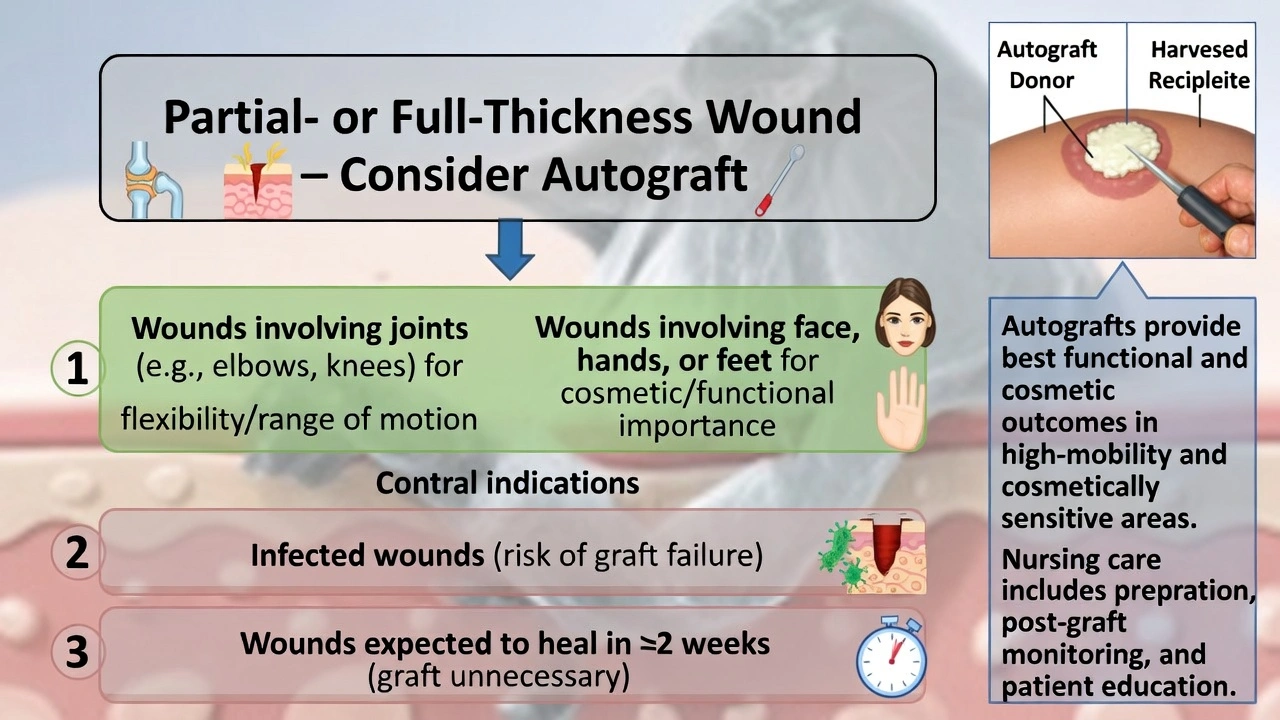
An autograft is used to optimally treat a partial- or full-thickness wound that:
A.
Is infected.
B. Involves a joint.
C. Requires less than 2 weeks for healing.
D. Involves the face, hands, or feet.
Rationale
An autograft is optimally used to treat wounds that involve a joint and wounds that involve the face, hands, or feet.
Autografts (skin harvested from the patient's own body) provide the best cosmetic and functional outcomes for wounds in high-mobility or cosmetically sensitive areas. Joints require flexible, durable coverage to maintain range of motion; autografts integrate well and withstand shear forces. The face, hands, and feet have complex contours, high visibility, and critical functional roles; autografts offer superior color match, texture, and durability compared to alternatives. Infected wounds or those expected to heal quickly (<2 weeks) are not ideal candidates for grafting.
A. Is infected
Infected wounds are contraindications for grafting until infection is controlled. Grafts placed on infected beds typically fail due to poor vascularization and bacterial interference with healing.
B. Involves a joint
This is correct. Joints require grafts that can withstand movement without contracture. Autografts provide the necessary durability and flexibility, especially when meshed or applied with techniques that accommodate mobility.
C. Requires less than 2 weeks for healing
Wounds expected to heal spontaneously within 2 weeks do not require grafting. Autografts are reserved for deeper wounds that cannot re-epithelialize in a reasonable timeframe.
D. Involves the face, hands, or feet
This is correct. These areas demand optimal cosmetic and functional results. Autografts, particularly split-thickness or full-thickness grafts from matched donor sites, provide the best aesthetic and functional outcomes.
Conclusion: Autograft selection requires balancing wound characteristics, functional demands, and patient priorities. Nurses collaborate with wound care and plastic surgery teams to prepare patients for grafting, manage donor sites, and educate on post-graft care. This specialized knowledge supports healing that restores both form and function—a core goal of burn and reconstructive nursing.
The nurse asks a patient with chest pain if it travels to the neck or shoulders. This is an assessment of:
A.
Position
B. Severity
C. Quality
D. Radiation
Rationale
This is an assessment of radiation.
In pain assessment, radiation refers to the spread of pain from its origin to other areas. Cardiac chest pain often radiates to the neck, jaw, shoulders, or arms due to shared nerve pathways (referred pain). Asking about radiation helps differentiate cardiac from non-cardiac chest pain and guides urgent evaluation. The PQRST mnemonic (Provocation, Quality, Radiation, Severity, Timing) standardizes pain assessment.
A. Position
Position assesses what makes pain better or worse (e.g., lying flat vs. sitting up). It does not address pain location spread.
B. Severity
Severity quantifies pain intensity, typically using a 0-10 scale. It does not evaluate where pain travels.
C. Quality
Quality describes the character of pain (e.g., pressure, sharp, burning). It is distinct from radiation.
D. Radiation
This is correct. Radiation specifically asks whether pain moves from its origin to other body regions, a key feature in cardiac pain assessment.
Conclusion: Mastering pain assessment tools like PQRST enables nurses to gather critical diagnostic information efficiently. Recognizing radiation patterns helps prioritize cardiac evaluation in chest pain, potentially saving lives. This foundational skill exemplifies the integration of assessment knowledge and clinical judgment.

Which patient would benefit the most from central venous/right atrial pressure monitoring?
A.
Patient admitted with a bowel obstruction
B. Patient taking routine doses of furosemide
C. Patient admitted in cardiogenic shock
D. Patient receiving two units of blood
Rationale
The patient admitted in cardiogenic shock would benefit the most from central venous/right atrial pressure monitoring.
Central venous pressure (CVP) or right atrial pressure monitoring provides information about right heart preload and volume status, which is critical in managing cardiogenic shock. In cardiogenic shock, the heart's pumping ability is impaired, leading to backup of blood in the venous system (elevated CVP) and poor forward flow. CVP trends guide fluid administration, inotrope titration, and diuretic therapy to optimize cardiac output without worsening pulmonary edema.
A. Patient admitted with a bowel obstruction
While bowel obstruction can cause fluid shifts, CVP monitoring is not routinely indicated unless the patient develops hemodynamic instability unresponsive to initial resuscitation.
B. Patient taking routine doses of furosemide
Routine diuretic therapy for stable conditions does not require invasive hemodynamic monitoring. Clinical assessment and daily weights suffice.
C. Patient admitted in cardiogenic shock
This is correct. Cardiogenic shock involves complex hemodynamics where CVP, along with other parameters, helps differentiate hypovolemia from pump failure and guides targeted therapy.
D. Patient receiving two units of blood
Transfusion of two units in a stable patient does not typically require CVP monitoring. Vital signs and clinical assessment are adequate for routine transfusion.
Conclusion: Invasive hemodynamic monitoring is reserved for patients with complex, unstable conditions where precise volume and pressure data guide life-saving interventions. Nurses caring for patients with CVP lines must understand waveform interpretation, zeroing techniques, and complication prevention. This specialized skill supports optimal management of critical cardiovascular conditions.

Which liver transplant patient being cared for in the ICU is exhibiting signs of acute rejection?
A.
Patient with dark urine and jaundice
B. Patient with postoperative pain 6/10
C. Patient with temp of 99.0° F and thirst
D. Patient with a CVP of 6 mm Hg
Rationale
The patient with dark urine and jaundice is exhibiting signs of acute rejection.
Acute liver transplant rejection typically presents with signs of cholestasis and hepatocellular injury: jaundice (elevated bilirubin), dark urine (bilirubinuria), pale stools, elevated liver enzymes (AST, ALT, alkaline phosphatase), and sometimes fever or malaise. Dark urine and jaundice reflect impaired bile excretion due to immune-mediated damage to bile ducts or hepatocytes. Early recognition prompts biopsy confirmation and intensified immunosuppression to prevent graft loss.
A. Patient with dark urine and jaundice
This is correct. These are classic signs of cholestasis from acute rejection. Nurses must monitor liver function trends and report changes promptly.
B. Patient with postoperative pain 6/10
Pain is expected after major surgery and is managed with analgesics. It is not specific to rejection unless accompanied by other signs.
C. Patient with temp of 99.0° F and thirst
Low-grade fever can occur with rejection but is nonspecific; thirst is unrelated. These findings alone do not indicate rejection.
D. Patient with a CVP of 6 mm Hg
CVP reflects volume status, not graft function. A value of 6 mm Hg is within normal range and not indicative of rejection.
Conclusion: Acute rejection is a time-sensitive complication of liver transplantation requiring rapid intervention. Nurses monitor for subtle changes in liver function, bilirubin, and clinical status to detect rejection early. This vigilance supports graft survival and long-term patient outcomes—a critical aspect of transplant nursing.

Which intervention is most important in assessing fluid balance in the patient with AKI?
A.
Intake and Output
B. Estimated GFR
C. Serum creatinine
D. Daily weight
Rationale
Intake and output is the most important intervention in assessing fluid balance in the patient with AKI.
Acute kidney injury impairs the kidney's ability to regulate fluid and electrolyte balance, making precise measurement of intake and output critical. Hourly urine output identifies oliguria (<0.5 mL/kg/hr), a key diagnostic and prognostic indicator in AKI. Tracking all inputs (IV fluids, medications, nutrition) and outputs (urine, drainage, emesis) guides fluid management to avoid volume overload or dehydration. While daily weight and labs are important, I&O provides real-time data for immediate decisions.
A. Intake and Output
This is correct. I&O is the most sensitive, immediate measure of fluid balance in AKI, guiding diuretic use, fluid restriction, or resuscitation.
B. Estimated GFR
eGFR estimates kidney function but is calculated from serum creatinine, age, and sex. It is not a direct measure of fluid balance and changes slowly.
C. Serum creatinine
Creatinine reflects kidney filtration but lags behind acute changes and does not directly assess fluid status. It is important for AKI staging but not fluid balance monitoring.
D. Daily weight
Daily weight is valuable for detecting cumulative fluid gains or losses but is less immediate than hourly I&O for acute management decisions.
Conclusion: Fluid balance management is central to AKI care to prevent complications like pulmonary edema or hypovolemia. Nurses meticulously document I&O, recognize trends, and collaborate with the team to adjust therapy. This vigilant monitoring supports renal recovery and overall stability.

A patient suddenly becomes unresponsive as you're speaking to him and develops generalized tonic-clonic seizures. Your priority is to:
A.
Notify the primary care provider immediately.
B. Administer intravenous diazepam.
C. Establish an airway.
D. Perform a rapid neurologic exam.
Rationale
Your priority is to establish an airway.
During a generalized tonic-clonic seizure, the priority is protecting the airway to prevent aspiration and ensure oxygenation. The nurse should position the patient on their side (recovery position), clear secretions, and prepare for suctioning. Airway management precedes medication administration or notification because hypoxia can prolong seizures and cause brain injury. Once the airway is secure, antiepileptic medications and further assessment follow.
A. Notify the primary care provider immediately
Notification is important but not the first action. Airway protection must occur simultaneously or immediately prior to calling for help.
B. Administer intravenous diazepam
Antiepileptic medications are indicated for prolonged seizures (>5 minutes) but require IV access and should not delay airway management.
C. Establish an airway
This is correct. Airway protection is the first step in the ABCs of emergency care. Preventing aspiration and hypoxia is critical during and after seizure activity.
D. Perform a rapid neurologic exam
Neurological assessment is valuable but occurs after the seizure ends and the airway is secure. It is not the priority during active seizure.
Conclusion: Seizure management follows the ABCs: airway first, then breathing, circulation, and specific interventions. Nurses must act quickly to protect the airway while preparing for medication administration and provider notification. This systematic approach prevents complications and supports patient safety during neurological emergencies.

A patient with a 60% burn in the acute phase of treatment develops a tense abdomen, decreasing urine output, hypercapnia, and hypoxemia. Based on this assessment, the nurse anticipates interventions to evaluate and treat the patient for:
A.
Acute kidney injury.
B. Disseminated intravascular coagulation disorder.
C. Acute respiratory distress syndrome.
D. Intra-abdominal hypertension.
Rationale
The nurse anticipates interventions to evaluate and treat the patient for intra-abdominal hypertension.
Intra-abdominal hypertension (IAH) and abdominal compartment syndrome are recognized complications of major burn resuscitation, particularly with large-volume fluid administration. Edema in the abdominal wall and viscera increases intra-abdominal pressure, compromising renal perfusion (decreased urine output), diaphragmatic excursion (hypoxemia, hypercapnia), and venous return. A tense abdomen is a classic sign. Measurement of bladder pressure confirms the diagnosis, and interventions may include decompressive escharotomy, optimizing fluid balance, or surgical decompression.
A. Acute kidney injury
Decreased urine output suggests AKI, but the constellation of tense abdomen, respiratory compromise, and oliguria points to IAH as the underlying cause. Treating IAH may reverse the renal dysfunction.
B. Disseminated intravascular coagulation disorder
DIC presents with bleeding, thrombocytopenia, and prolonged clotting times—not specifically with abdominal tension or respiratory changes. It is not the best fit for this presentation.
C. Acute respiratory distress syndrome
ARDS causes hypoxemia and bilateral infiltrates but does not typically present with a tense abdomen or oliguria as primary features. IAH can contribute to respiratory compromise but is distinct from ARDS.
D. Intra-abdominal hypertension
This is correct. The triad of abdominal distension, oliguria, and respiratory compromise in a fluid-resuscitated burn patient is highly suggestive of IAH. Early recognition prevents progression to abdominal compartment syndrome, which has high mortality.
Conclusion: Intra-abdominal hypertension is an underrecognized but life-threatening complication of burn resuscitation. Nurses must assess abdominal girth, bladder pressure, and respiratory status in high-risk patients. Advocating for timely measurement and intervention exemplifies the critical thinking required to prevent secondary organ injury in complex burn care.

The nurse recognizes which statement as a potential ethical issue?
A.
"My mother has designated my brother to make decisions."
B. "If the breathing machine is helping my mother, why is the doctor asking me about removing the breathing tube?"
C. "Can I assist with some of my mother's care?"
D. "The physician explained my mother's poor prognosis."
Rationale
The statement that represents a potential ethical issue is: "If the breathing machine is helping my mother, why is the doctor asking me about removing the breathing tube?"
This statement reveals a misunderstanding about the goals of care and the ethical principle of proportionality. Mechanical ventilation is a life-sustaining treatment, not a cure; it may prolong dying if the underlying condition is irreversible. The ethical issue involves balancing beneficence (doing good) with non-maleficence (avoiding harm) when treatments no longer align with patient values or goals. The nurse should facilitate clarification of the patient's wishes, prognosis, and the purpose of continued ventilation.
A. "My mother has designated my brother to make decisions."
This reflects appropriate advance care planning with a designated surrogate. It is ethically sound, not problematic.
B. "If the breathing machine is helping my mother, why is the doctor asking me about removing the breathing tube?"
This is correct. It indicates confusion about when life support is beneficial versus burdensome—a classic ethical dilemma requiring sensitive communication about goals of care.
C. "Can I assist with some of my mother's care?"
Family involvement in care is encouraged and ethically positive when appropriate. This statement reflects engagement, not conflict.
D. "The physician explained my mother's poor prognosis."
Clear communication about prognosis is an ethical obligation. This statement indicates appropriate disclosure, not an ethical issue.
Conclusion: Ethical dilemmas in critical care often center on goals of care and the appropriate use of life-sustaining treatments. Nurses must recognize statements that signal misunderstanding or distress and initiate compassionate conversations to clarify values, prognosis, and options. This skill supports ethically sound, patient-centered decision-making.

RN Exams
ATI Quizzes
3 Practice Tests
ATI Quizzes
3 Practice Tests
ATI Quizzes
3 Practice Tests
ATI Quizzes
3 Practice Tests